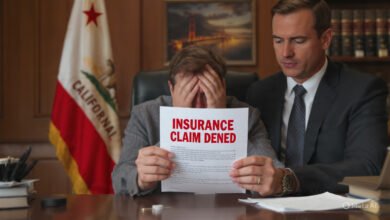
Florida Property Insurance Claims: What to Do After Hurricane Damage Denial
Florida property insurance claims denied after hurricane damage? Discover 7 critical steps to fight back, appeal your denial, and recover what you're owed.

Florida property insurance claims after hurricane damage are supposed to be straightforward. You paid your premiums. The storm hit. The damage is real. And yet, thousands of Florida homeowners open their mailbox after a hurricane to find a denial letter instead of a settlement check.This situation is far more common than most people realize. After Hurricane Debby in August 2024, a staggering 68% of residential insurance claims were closed without payment, according to data from the Florida Office of Insurance Regulation.
After Hurricane Helene just weeks later, roughly 60% of closed residential claims went unpaid. Even Citizens Property Insurance Corporation, the state’s insurer of last resort, paid only 23% of its Hurricane Debby claims — leaving the vast majority of policyholders without any recovery.If you’re in that boat right now, the most important thing you need to know is this: a denial is not the end of the road.
Florida law gives you real tools to challenge an unfair decision. Whether your insurer blamed pre-existing damage, misread your policy, or simply underestimated the destruction, you have options. This guide walks you through exactly what to do after a hurricane damage denial — from reading the fine print to filing a lawsuit if it comes to that. The sooner you act, the better your chances.
Understanding Why Florida Property Insurance Claims Get Denied After Hurricanes
Before you can fight a denial, you need to understand why it happened. Insurance companies are not random in how they reject hurricane damage claims — they tend to follow predictable patterns. Knowing which argument they used against you is the first step toward reversing the decision.
Pre-Existing Damage Allegations
This is probably the most common denial reason in Florida. Your insurer’s adjuster looks at your roof, your walls, or your foundation and says the damage was already there before the storm. Maybe there was some aging or previous wear — most homes have that — but insurers often overreach when they use this as a blanket reason to deny coverage.
The problem is that policyholders rarely have pre-storm photos or inspection records to refute this claim immediately. That doesn’t mean it’s unwinnable, but it does mean you’ll need independent evidence to push back.
Flood vs. Wind Damage Disputes
This is the most technically complex denial scenario, and it affects a huge number of Florida homeowners. Standard homeowners insurance covers wind damage. It does not cover flood damage, which requires a separate policy, usually through the National Flood Insurance Program (NFIP) or a private flood insurer.
After a hurricane, you often get both — wind tears open your roof and then rain or storm surge floods the interior. Insurers sometimes attribute all the damage to flooding and deny the claim on the grounds that you don’t have flood coverage. If you do have both policies, each insurer may try to point the finger at the other.
If the denial letter relies on an anti-concurrent causation clause to deny coverage for combined wind and water damage, that determination may be challengeable depending on the specific circumstances and policy language.


Policy Exclusions and Hurricane Deductibles
Florida homeowners policies often include a separate hurricane deductible that’s significantly higher than your standard deductible — sometimes 2% to 5% of your home’s insured value. If your damage doesn’t exceed that threshold, the insurer may deny payment.
Other exclusions that come up frequently:
- Mold damage (often excluded unless it results from a covered peril)
- Damage to detached structures
- Cosmetic damage only
- Wind-driven rain entering through openings that existed before the storm
Late Filing and Missed Deadlines
Under Florida Statute 627.70132, insurers must acknowledge your claim within 14 days and make a coverage determination within 90 days. But policyholders have their own obligations too. Most policies require you to report damage promptly. Waiting weeks or months to file can give the insurer grounds to deny coverage.
It’s also worth knowing that recent legislative changes have reduced the statute of limitations for property insurance claims from five years to two years from the date of loss. This tighter window makes acting quickly more important than ever.
Insufficient Documentation
A surprisingly large number of Florida property insurance claims get denied simply because the homeowner didn’t provide enough evidence. No photos, no contractor estimates, no receipts for emergency repairs — without documentation, the insurer has less to work with and more room to question the extent of the damage.
Step 1: Read the Denial Letter Carefully
The first thing to do after receiving a hurricane damage claim denial is to read the denial letter from start to finish. This sounds obvious, but many homeowners skim it, feel frustrated, and set it aside.
The denial letter is your roadmap. Under Florida law, your insurer is required to give you a specific, written explanation citing the exact policy provisions they’re relying on to deny the claim. A vague or generic response is not acceptable.
As you read, pay attention to:
- Which policy provision or exclusion they’re citing
- Whether they’re blaming pre-existing damage, flood damage, or a coverage limit
- Any deadlines mentioned for filing an appeal
- The name and contact information of the adjuster or claims representative
Pull out your full insurance policy and read it alongside the denial letter. Many homeowners discover that the insurer’s interpretation of their policy is incorrect, overly narrow, or applied to the wrong section. This is where a lot of successful insurance claim appeals begin.
Step 2: Gather and Strengthen Your Documentation
A weak paper trail is often what allows an insurer to get away with a bad denial. After you understand the reason for the denial, your job is to build a strong, organized evidence file that directly addresses their stated reasons.
Here’s what to collect and document:
- Photos and videos of all storm damage, including close-ups and wide shots
- Date-stamped before-and-after images if available
- Weather data — National Hurricane Center reports, local weather station records, or NOAA data showing the storm’s path and wind speeds in your specific area
- Contractor estimates from at least two licensed contractors who’ve inspected the property
- Receipts for emergency repairs you made to prevent further damage
- An inventory of damaged personal property, including purchase dates and approximate values
- All correspondence with your insurer, including emails, letters, and notes from phone calls with dates and names
Keep everything organized in one folder — both digital and physical copies. If the insurer cited pre-existing damage, look for old inspection reports, real estate disclosures from when you bought the home, or contractor invoices from previous work that show the condition of your roof or structure before the storm.
Step 3: Hire a Public Adjuster to Work for You
One of the most effective moves you can make after a denied hurricane claim in Florida is to hire a licensed public adjuster. This is a professional who works exclusively on behalf of policyholders — not the insurance company.
Your insurer sent their own adjuster to inspect your property. That adjuster works for the company that’s trying to minimize what it pays out. A public adjuster works for you, and they’re often very good at finding damage that the insurer’s adjuster missed or undervalued.
Public adjusters in Florida must be licensed by the Florida Department of Financial Services. They typically charge a percentage of the final settlement — usually between 5% and 15% — but in many cases the increase in the settlement amount far exceeds their fee.
After major hurricanes, unlicensed and fraudulent adjusters sometimes appear in hard-hit areas. Always verify credentials before signing anything.
Step 4: File a Formal Appeal With Your Insurance Company
Once you’ve gathered your documentation and potentially gotten an independent inspection done, you’re ready to file a formal written appeal. This is different from just calling your insurer and complaining — it’s a structured, documented challenge to their decision.
Your appeal should include:
- A cover letter that clearly states you are appealing the denial decision, references the denial letter date and claim number, and outlines why you believe the denial was improper
- Your independent inspection report or public adjuster’s assessment
- Supplemental photographs and videos
- Contractor estimates that differ significantly from the insurer’s assessment
- Weather data tying the damage specifically to the hurricane
- Any expert opinions relevant to disputed issues (like a structural engineer’s report if the insurer claimed damage was from settling rather than wind)
Send your appeal by certified mail and keep copies of everything. Note the date you sent it and track delivery confirmation.
Most insurance companies have a specific claims appeals department. If your denial letter doesn’t specify where to send an appeal, call the claims department and ask in writing for the proper procedure.
Step 5: Use Florida’s Free Mediation Program
Many homeowners don’t know this option exists: under Florida law, you have the right to request free mediation through the Florida Department of Financial Services. This brings you and your insurer together with a neutral third party to negotiate a resolution — no lawyers required, no courtroom, no filing fees.
Mediation is available for most residential property insurance disputes in Florida. The DFS administers the program and assigns a certified mediator. Both sides present their positions, and the mediator helps facilitate a settlement.
Mediation doesn’t guarantee a resolution, but it’s a low-cost way to put pressure on your insurer and demonstrate that you’re serious. If the insurer has been dragging its feet or giving you vague responses, the formal mediation setting often changes the dynamic.
You can also file a complaint with the Florida Department of Financial Services at any point if you believe your insurer is handling your claim improperly. The DFS can’t force the insurer to pay, but their involvement signals that you’re not letting this go — and that tends to get attention.
Step 6: Know Your Rights Under Florida Insurance Law
Florida’s insurance laws include several important protections for policyholders that you should understand before negotiating or litigating a claim.
Florida’s Bad Faith Insurance Law
If your insurance company unreasonably denies, delays, or underpays a legitimate hurricane claim, they may be acting in bad faith under Florida law. A successful bad faith action can result in recovery of damages beyond your original policy limits, including consequential damages and attorney’s fees.
Before filing a bad faith lawsuit, you must first file a Civil Remedy Notice (CRN) with the Florida Department of Financial Services. This puts the insurer on notice and gives them 60 days to “cure” the violation — essentially, to pay what they owe. If they don’t, you can proceed with the lawsuit.
The 90-Day Rule
Under Florida Statute 627.70132, your insurer must make a coverage determination within 90 days of receiving your claim. If they’ve exceeded that window without a proper explanation, that’s a significant problem for them and an advantage for you.
Recent Legislative Changes to Know About
Florida’s insurance landscape shifted significantly in 2022 and 2023. Here’s what changed:
- Senate Bill 2-A (2022) and House Bill 837 (2023) eliminated one-way attorney’s fees in insurance disputes. This means attorneys no longer automatically get their fees paid by the insurer when policyholders win, which changes the cost-benefit math for litigation.
- The statute of limitations for property insurance claims was reduced from five years to two years from the date of loss.
- Assignment of Benefits (AOB) arrangements were significantly restricted, limiting the ability of contractors to directly pursue insurers on your behalf.
These changes make it more critical to move quickly and get professional guidance early in the process.
Wind Mitigation Credits
Under Florida Statutes §627.0629, insurers must offer premium discounts for documented wind mitigation features — things like roof shape, secondary water barriers, and opening protection. If your home has qualifying features that your insurer hasn’t credited, a Uniform Mitigation Verification Inspection may be worth pursuing to reduce future premiums while also clarifying your property’s condition.
Step 7: Consult a Florida Property Damage Attorney
If your appeal doesn’t resolve the situation — or if the denial involves a significant amount of money, potential bad faith, or complex coverage disputes — it’s time to talk to an attorney who handles Florida property insurance claims.
Many homeowners wait too long to get legal help, often because they assume attorneys are expensive or that their claim isn’t worth it. The reality is that most property damage attorneys in Florida work on a contingency basis: you pay nothing unless they recover money for you. Many also offer free initial consultations.
An experienced attorney can:
- Review your policy and the denial letter to identify legal errors or improper exclusion applications
- Hire independent experts like engineers, roofing consultants, and meteorologists to build an evidentiary record
- Negotiate directly with the insurer on your behalf
- File a bad faith claim if the insurer’s conduct warrants it
- Represent you in mediation or litigation if necessary
According to the Florida Department of Financial Services, policyholders who use professional representation in disputed claims typically achieve significantly better outcomes than those who navigate the process alone.
You should consider calling an attorney immediately if:
- Your claim was denied with no clear or valid explanation
- The insurer’s damage estimate is far below what contractors are quoting
- You’re facing deadlines to appeal and don’t know the process
- You believe the insurer is deliberately dragging out the process
- The insurer is pressuring you to accept a settlement you know is too low
The Wind vs. Flood Coverage Problem: A Closer Look
This issue deserves special attention because it trips up so many Florida homeowners and is the source of a massive number of disputed hurricane insurance claims.
A standard Florida homeowners policy covers windstorm damage: roof damage from high winds, broken windows, siding blown off, interior damage from rain entering through wind-created openings. It does not cover flood damage: rising water, storm surge, or water that enters from the ground up.
After a hurricane, these two types of damage often happen simultaneously. Your roof comes off, water pours in, and then storm surge floods the ground floor. If you only have a standard homeowners policy, the wind damage should be covered and the flood damage should not.
But here’s where insurers often go wrong: they sometimes attribute all the damage to flooding, claim you needed separate flood insurance, and deny the entire claim. This may not be an accurate characterization of what actually happened.
If you do have NFIP flood insurance in addition to your homeowners policy, you may face a different problem: each insurer tries to minimize its own exposure by pointing to the other. In those situations, having an attorney or public adjuster who can clearly document the cause of each specific type of damage becomes essential.
For properties in coastal areas, it’s also worth checking whether your policy includes Named Storm exclusions or special provisions that apply only when a storm is officially named. These clauses can sometimes be used to create coverage gaps that aren’t obvious at first glance.
What to Do If Your Claim Was Underpaid (Not Just Denied)
A denial isn’t the only problem Florida homeowners face after hurricane property damage. Underpayment is equally common and just as damaging. Your insurer might approve your claim but offer a settlement that’s $20,000 less than what two licensed contractors say the repairs will cost.
In that case, you have the same tools available:
- Get independent contractor estimates and compare them to the insurer’s assessment
- Hire a public adjuster to perform an independent damage evaluation
- Negotiate with documentation — present the contractor estimates and ask the insurer to explain in writing why their number is lower
- Request that the insurer re-inspect the property if key areas were missed
- Use the appraisal process if your policy includes one: this brings in a neutral appraiser to determine the value of the loss when you and the insurer disagree on the amount
Don’t cash a settlement check that comes marked as “full and final payment” unless you’ve confirmed that the amount represents your complete settlement. Doing so in some circumstances can be treated as acceptance of the payment.
How to Protect Yourself Before the Next Hurricane Season
The best time to review your Florida property insurance coverage is before a storm hits, not after. Here are some practical steps:
- Read your full policy at least once a year, including the hurricane deductible section and any named storm provisions
- Document your property every year with a video walkthrough — date-stamp it and store it in the cloud
- Check your coverage limits against your home’s current replacement cost (construction costs have risen significantly in Florida)
- Verify your flood coverage situation — are you in a flood zone? Do you have NFIP or private flood insurance?
- Ask about wind mitigation discounts — if your home has qualifying features, you may be paying more than you need to
- Keep a record of all home improvements and repairs with receipts, contractor names, and before-and-after photos
The Florida Office of Insurance Regulation maintains consumer resources and tools to help homeowners understand their policies and rights — it’s worth bookmarking before hurricane season starts.
Common Mistakes to Avoid After a Hurricane Claim Denial
A few missteps can hurt your chances of a successful appeal or recovery. Here’s what not to do:
- Don’t give a recorded statement to your insurer without legal representation. Adjusters can ask leading questions, and your words can be used out of context to justify the denial.
- Don’t throw away damaged property before the adjuster has inspected it or you’ve photographed it thoroughly.
- Don’t accept the first settlement offer without getting your own estimates. Low initial offers are common.
- Don’t wait to document damage, file your claim, or seek help — deadlines in Florida are strict and getting shorter.
- Don’t assume the denial is final. A significant number of denied Florida hurricane claims are reversed after appeal, mediation, or legal action.
- Don’t hire an unlicensed public adjuster or contractor. Post-storm fraud is common in Florida. Verify licenses with the Florida DFS before signing any agreement.
Conclusion
Florida property insurance claims denied after hurricane damage can feel like a second disaster on top of the first, but a denial letter is not the end of the story. By reading the denial carefully, building a strong evidence file, hiring a licensed public adjuster, filing a formal appeal, using Florida’s free mediation program, and consulting an experienced property damage attorney when necessary, you can challenge an unfair decision and fight for the recovery you’re entitled to under your policy.
Florida law provides meaningful protections for policyholders — including bad faith remedies, statutory claim deadlines that bind insurers, and free dispute resolution options — but those protections only work if you act quickly, document everything, and don’t accept a bad decision as the final word. The two-year statute of limitations means the clock starts ticking from the date of loss, so if you’re dealing with a hurricane damage denial right now, the best time to take action is today.