Small Claims Court California: How to Sue Without a Lawyer
Small claims court California guide: file an SC-100, serve the defendant, prepare evidence, and collect up to $12,500 without hiring a lawyer.

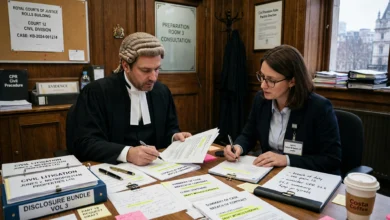
Small claims court California is one of the few places in the legal system built for regular people. You don’t need a lawyer. In fact, lawyers generally aren’t allowed to represent you at the hearing. You fill out a few forms, pay a modest fee, tell your story to a judge, and usually get a decision within a couple of months.
That sounds simple, and mostly it is. But people still lose good cases for avoidable reasons. They sue the wrong person, serve the papers incorrectly, show up with a pile of unsorted receipts, or win a judgment and then have no idea how to collect it.
This guide walks you through the whole process in nine practical steps. You’ll learn the current California small claims limit, what the small claims filing fee costs, how to complete the SC-100 form, how to serve small claims papers the right way, and what to bring to your small claims hearing. We’ll also cover what happens after you win, because a judgment on paper isn’t the same as money in your bank account.
Whether a landlord kept your security deposit, a contractor walked off the job, or a friend never paid back a loan, the steps are the same. If you’re ready to sue without a lawyer and want to do it properly the first time, start here. Everything below is based on California’s Code of Civil Procedure and the state court’s own self-help guidance as of October 2026.
What Is Small Claims Court in California?
Small claims court California is a division of each county’s Superior Court. It handles disputes where one side wants money (and occasionally an order to return property or fix a problem). The process is informal on purpose. There’s no jury, the rules of evidence are relaxed, and the judge or temporary judge (called a commissioner or judge pro tem) will often ask questions directly to get to the facts.
The big rule to remember: in most cases, neither side can have a lawyer speak for them at the hearing. You can talk to a lawyer beforehand for advice, but on the day, it’s you, the other party, and the judge. That levels the field and keeps costs low for everyone.
California Small Claims Limit for 2026
The California small claims limit depends on who is suing. Under California Code of Civil Procedure section 116.221, here’s how the caps work:
- Individuals: up to $12,500 per claim.
- Businesses, corporations, and other entities: up to $6,250 per claim.
- Annual cap on larger claims: you can file no more than two claims over $2,500 anywhere in California in a calendar year. Claims of $2,500 or less have no yearly limit.
If your losses are a bit over the limit, you can choose to waive the extra amount and still use small claims. Just know that once you do, you can never sue for the waived portion later. A pending bill in the 2026 legislative session (AB 1827) proposes raising the limit to $15,000, so check your court’s website for the current figure before you file.
Who Can Sue and Be Sued
Anyone 18 or older can file. Minors can sue through a parent or guardian appointed by the court. You can sue individuals, sole proprietors, partnerships, corporations, LLCs, and public entities like cities or counties (though public entities usually require you to file a government claim first, within strict deadlines).


Businesses can sue too, but they must send an owner, officer, or regular employee, not a hired attorney. Collection agencies and assignees generally can’t use small claims at all.
Cases Small Claims Court Can and Can’t Hear
Common cases that work well in small claims court California:
- Unreturned security deposits
- Unpaid personal loans or invoices
- Car accident property damage
- Defective products or poor repair work
- Contractor disputes
- Damage to your property by a neighbor
Cases you can’t bring here include divorces, evictions (with limited exceptions), name changes, bankruptcy, and claims mainly for money over the limit that you’re not willing to waive.
Check Your Statute of Limitations First
Every claim has a deadline. Miss it and the court will throw the case out even if you’re 100% right. The most common statute of limitations periods in California are:
| Type of claim | Deadline to file |
|---|---|
| Written contract | 4 years |
| Property damage | 3 years |
| Oral contract | 2 years |
| Personal injury | 2 years |
| Claim against a government agency | Government claim usually within 6 months |
The clock usually starts when the harm happened or when the contract was broken. If you’re close to a deadline, file now and sort out details later.
How to Sue in Small Claims Court California: 9 Steps
These nine steps take you from “they owe me money” to an actual payment. Follow them in order and you’ll avoid most of the mistakes that sink self-represented cases.
Step 1: Send a Demand Letter
California expects you to ask for payment before you sue. The SC-100 form literally asks whether you did. A demand letter is simply a clear, polite letter that explains:
- What happened, in a few short sentences.
- How much money you’re owed and how you got that number.
- A deadline to pay, usually 10 to 14 days.
- That you’ll file in small claims court if you don’t hear back.
Send it by a method you can prove, like certified mail or email with a saved copy. A surprising number of disputes end right here, because the other side realizes you’re serious. If they don’t pay, the letter becomes a useful exhibit later.
Step 2: Name the Right Defendant
This is where many people trip. A judgment is only good against the person or business you named. If you sue “Joe’s Plumbing” but the business is legally owned by Joseph Garcia as a sole proprietor, you should name both: “Joseph Garcia, individually and doing business as Joe’s Plumbing.”
Here’s how to find the correct legal name:
- Corporations and LLCs: search the California Secretary of State’s business database.
- Sole proprietors: check the county’s fictitious business name records.
- Contractors: look up the license on the Contractors State License Board site.
- Car accidents: sue the driver and the registered owner if they’re different people.
Step 3: Pick the Correct Court Location
You usually file in the county where the defendant lives or does business. You may also be able to file where the contract was signed or performed, where the accident happened, or, for some consumer contracts, where you live. Filing in the wrong place can get your case dismissed or moved, so double-check before you pay.
Step 4: Fill Out the SC-100 Form
The SC-100 form (Plaintiff’s Claim and ORDER to Go to Small Claims Court) is the document that starts your case. You’ll need:
- Your full name and address, plus any co-plaintiffs.
- The defendant’s full legal name and a valid address for service.
- The amount you’re claiming and a short explanation of why.
- When the problem happened and how you calculated the amount.
- Why you chose this court location.
- Confirmation that you asked the defendant to pay before filing.
Keep your explanation short and factual. You’ll have time to tell the full story at the hearing. Many courts now accept online filing, and some offer guided interviews that fill the form for you. The California Courts Self-Help Guide for small claims has every form and plain-language instructions.
Step 5: File the Claim and Pay the Small Claims Filing Fee
Take or e-file your SC-100 with the court clerk and pay the small claims filing fee. Based on the statewide civil fee schedule, fees are:
| Amount claimed | Filing fee |
|---|---|
| $1,500 or less | $30 |
| $1,500.01 to $5,000 | $50 |
| Over $5,000 up to the limit | $75 |
| Any amount, if you filed more than 12 claims in California in the past 12 months | $100 |
If you can’t afford the fee, ask for a fee waiver using form FW-001. When you file, the clerk sets a hearing date, often 30 to 70 days out. If you win, you can ask the judge to make the defendant reimburse your filing and service costs.
Step 6: Serve Small Claims Papers on the Defendant
The defendant must receive official notice of the lawsuit. You cannot hand the papers over yourself. To serve small claims papers, you can use:
- Personal service: any adult 18 or older who isn’t part of the case, a registered process server, or the sheriff hands the papers directly to the defendant.
- Substituted service: the papers are left with a competent adult at the defendant’s home or business, then a copy is mailed. This adds 10 extra days before service counts as complete.
- Certified mail by the clerk: the court mails the papers for a small fee. It only works if the defendant signs for them.
Timing matters. Service must be completed at least 15 days before the hearing if the defendant is in your county, or 20 days if they’re outside it. After service, the server fills out the proof of service (form SC-104) and you file it with the court. No proof of service usually means no hearing.
Step 7: Prepare Your Evidence
This step wins or loses most cases. Judges in small claims court California hear many cases a day and appreciate people who get to the point. Gather:
- Contracts, leases, invoices, and receipts
- Photos and videos with dates
- Texts and emails, printed and in date order
- Repair estimates (two or three are better than one)
- Your demand letter and any reply
- Witnesses, or signed witness statements if they can’t attend
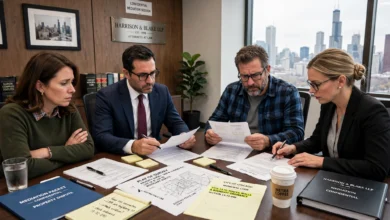
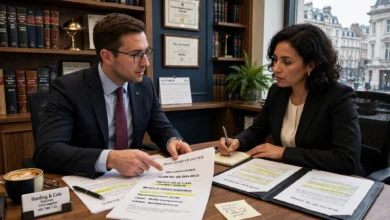
Bring three copies of everything: one for the judge, one for the defendant, and one for you. Put a one-page timeline on top. Then practice explaining your case out loud in about three minutes. If a key witness won’t come voluntarily, you can ask the clerk for a subpoena (form SC-107).
If you get stuck, every county offers a free small claims advisor. They can help you with forms, service, and preparing for court at no cost.
Step 8: Attend the Small Claims Hearing
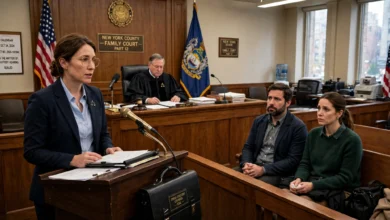
Arrive early, dress neatly, and check in with the clerk. At the small claims hearing, the judge will usually let the plaintiff speak first, then the defendant. Some tips that genuinely help:
- Speak to the judge, not the other party.
- Lead with the amount you want and why, then back it up with evidence.
- Stay calm even if the other side says things that aren’t true. You’ll get a chance to respond.
- Answer the judge’s questions directly. If you don’t know something, say so.
Many courts offer free mediation on the day of the hearing. It’s worth considering, since a deal you agree to is often paid faster than a judgment you win. Free interpreters are also available if you request one ahead of time.
Step 9: Get Your Small Claims Judgment and Collect
The judge may decide on the spot or mail the decision later on a Notice of Entry of Judgment (form SC-130). Winning the small claims judgment is great, but collecting is your responsibility. The court doesn’t do it for you.
After the appeal period ends (30 days after the notice is mailed or handed to the parties), you can start collecting if the defendant hasn’t paid. Common tools to collect a judgment include:
- Statement of assets: the debtor must fill out form SC-133 listing their income and property. If they don’t, you can ask the court to order them in for questioning.
- Wage garnishment: get a writ of execution (form EJ-130) and send it to the sheriff to take part of their paycheck.
- Bank levy: use the same writ to take money from their bank account.
- Property lien: record an abstract of judgment so they can’t sell or refinance real estate without paying you.
A California judgment is good for 10 years and can be renewed. It also earns interest, so patience can pay off.
What If You’re the Defendant?
If someone sues you, you’ll receive the SC-100 with a hearing date. You don’t have to file a written answer. You just need to show up prepared. If the plaintiff actually owes you money from the same situation, you can file a Defendant’s Claim (form SC-120) and have both claims heard together. If you can’t make the date, ask the court to reschedule using form SC-150 as early as possible. Ignoring the case almost always leads to a default judgment against you.
Small Claims Court California Appeals
The appeal rules in small claims court California surprise a lot of people:
- The plaintiff can’t appeal a loss on their own claim. If you sued and lost, that decision is final, though you can ask the judge to correct a clear mistake.
- The defendant can appeal. They have 30 days from the date the notice of judgment was mailed or handed over to file form SC-140.
- The appeal is a brand new hearing in front of a different Superior Court judge. Both sides can have lawyers at this stage.
- Missed your hearing? You may be able to file a motion to vacate the judgment if you had a good reason for not showing up.
If the judge finds a defendant’s appeal was filed only to delay payment, they can order the defendant to pay extra for your time and expenses.
Common Mistakes That Cost People Their Case
Most losses come down to preparation, not the law. Watch out for these:
- Suing the wrong party. A judgment against the wrong name is close to worthless.
- Bad service. Serving yourself, serving too late, or forgetting to file the SC-104 can delay or kill your hearing.
- Asking for a number you can’t explain. Show the math. Judges rarely award round numbers pulled from thin air.
- Bringing a story but no proof. Photos, receipts, and messages beat memories every time.
- Talking too long. Get to the point in the first minute.
- Forgetting about collection. Before you sue, ask yourself whether the defendant has a job, a bank account, or property. A judgment against someone with no assets may never be paid.
When Small Claims Isn’t the Right Fit
Small claims is excellent for straightforward money disputes, but it isn’t always the best tool. Consider talking to a lawyer or using regular civil court if:
- Your damages are well over the California small claims limit and waiving the difference would cost you a lot.
- The case involves complex issues like serious injuries, medical bills you’re still racking up, or business partnerships.
- You need a court order beyond money, such as an injunction to stop ongoing harm.
- The other side has a strong legal defense that may require formal discovery to beat.
For everything else, small claims gives you a real shot at justice for the cost of a filing fee and a few hours of preparation.
Conclusion
Suing in small claims court California is one of the most practical ways to recover money you’re owed without paying a lawyer, as long as you treat it seriously. Start with a clear demand letter, name the correct defendant, file the SC-100 in the right county, and pay the modest filing fee. Make sure the papers are served properly and on time, then show up with organized evidence and a short, confident explanation.
If you win, use the collection tools California gives you, from wage garnishment to bank levies, and remember that your judgment stays valid for up to 10 years. With solid preparation, everyday people win these cases all the time.