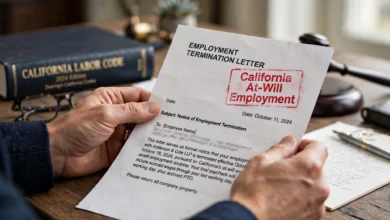
Houston Wrongful Termination: EEOC Complaints in Texas
Facing Houston wrongful terminationn? Learn how EEOC complaints work in Texas, key deadlines, and what wrongful termination actually means.

Losing a job is stressful under any circumstances, but it becomes something else entirely when you suspect the real reason had nothing to do with your performance. Houston wrongful termination cases come up more often than most people realize, and a lot of workers don’t know where to turn when they believe they were fired for an illegal reason. Texas is an at-will employment state, which means employers generally have wide latitude to end a job without cause. But that latitude has limits, and federal and state law draw a hard line when termination is based on discrimination, retaliation, or certain protected activities.
This is where the EEOC complaint process comes in. The Equal Employment Opportunity Commission is the federal agency that investigates workplace discrimination claims, and for many Houston workers, filing a charge with the EEOC is the first formal step toward holding an employer accountable. The process has strict deadlines, specific paperwork, and procedural steps that can trip up someone going it alone.
This article walks through what counts as wrongful termination in Texas, how the EEOC complaint process actually works, what deadlines you need to know, and what to expect once you file. Whether you’re gathering information for yourself or trying to understand a friend’s situation, this guide breaks it down in plain language.
What Counts as Wrongful Termination in Houston
Texas employment law starts from the presumption of at-will employment. That means, absent a contract saying otherwise, your employer can let you go for almost any reason, or no reason at all, without warning. This surprises a lot of people who assume they’re entitled to some kind of explanation. Legally, in most cases, they aren’t.
But at-will employment isn’t unlimited. Wrongful termination in Texas happens when an employer fires someone for a reason that violates a specific law. The most common categories include:
- Discrimination based on race, color, national origin, sex, religion, age (40 and older), disability, or genetic information
- Retaliation against an employee who reported discrimination, harassment, or filed a workers’ compensation claim
- Violation of public policy, such as firing someone for refusing to commit an illegal act
- Breach of an employment contract, if one exists and specifies terms for termination
- Whistleblower retaliation, particularly for public employees who report legal violations
It’s worth being honest here: not every unfair firing is illegal. Being let go because your manager didn’t like you, because the company restructured, or because of a personality clash usually doesn’t meet the legal bar. The distinction matters because it shapes whether an EEOC complaint is even the right avenue, or whether a different legal claim applies.
Common Signs Your Termination May Have Been Unlawful
A few patterns tend to show up in cases that later turn into successful discrimination claims:
- You were fired shortly after reporting harassment, discrimination, or a safety violation
- Your performance reviews were positive right up until the termination
- Younger or different-status employees kept their jobs after similar issues
- You were replaced by someone outside your protected class shortly after being let go
- Comments were made about your age, race, religion, disability, or pregnancy before the termination
None of these alone prove a case, but together they can build a strong basis for a complaint.
Understanding the EEOC and Its Role in Texas
The Equal Employment Opportunity Commission is a federal agency responsible for enforcing laws that prohibit workplace discrimination. In Houston, the EEOC has a district office that handles charges from across the region, and it works alongside the Texas Workforce Commission Civil Rights Division, which enforces the Texas Labor Code’s parallel protections at the state level.


Here’s something a lot of people don’t realize: in most cases, you cannot go straight to a lawsuit for job discrimination. Federal law requires you to file a charge with the EEOC first and receive what’s called a “right to sue” letter before a lawsuit can proceed in most circumstances. This is called exhausting your administrative remedies, and skipping it can get a case dismissed regardless of how strong the underlying facts are.
What Laws the EEOC Enforces
The EEOC handles charges under several major federal statutes, including:
- Title VII of the Civil Rights Act of 1964 – prohibits discrimination based on race, color, religion, sex, and national origin
- The Age Discrimination in Employment Act (ADEA) – protects workers 40 and older
- The Americans with Disabilities Act (ADA) – prohibits discrimination against qualified individuals with disabilities
- The Equal Pay Act – requires equal pay for equal work regardless of sex
- The Genetic Information Nondiscrimination Act (GINA) – prohibits discrimination based on genetic information
For the official rules on charge filing and jurisdiction, the U.S. Equal Employment Opportunity Commission’s website is the authoritative source, and it’s worth reviewing directly rather than relying on secondhand summaries.
How to File an EEOC Complaint in Houston
Filing a charge isn’t complicated in the sense of paperwork volume, but it is unforgiving on timing and accuracy. Here’s the general process for a Houston EEOC complaint.
Step 1: Determine Eligibility
Before filing, confirm your employer falls under EEOC jurisdiction. Generally, this applies to employers with 15 or more employees (20 or more for age discrimination claims). Smaller employers may still fall under Texas state law protections through the Texas Workforce Commission, which covers employers with as few as 15 employees under most categories as well, so overlap is common.
Step 2: Gather Documentation
Before you file, pull together anything that supports your claim:
- Termination letter or documentation of the firing
- Performance reviews, especially recent ones
- Emails or texts referencing the reason for termination
- Names of witnesses or coworkers who observed relevant events
- Any complaints you filed internally before being terminated
This step matters more than people expect. A well-documented charge moves faster and carries more weight during investigation.
Step 3: File the Charge
You can file a charge with the EEOC in a few ways:
- Online through the EEOC Public Portal
- By phone, calling the nearest EEOC field office
- In person at the Houston District Office
- By mail, though this is the slowest method
The Houston District Office covers a large portion of southeast Texas and handles a substantial volume of charges each year, so expect the process to take time.
Step 4: Know the Deadline
This is the single most important part of the process. In Texas, because there’s a state agency (the Texas Workforce Commission) that also enforces anti-discrimination law, the deadline to file an EEOC complaint is 300 days from the date of the discriminatory act, rather than the shorter 180-day federal baseline. Missing this window generally means losing the right to pursue the claim through the EEOC entirely, so this isn’t a deadline to treat casually.
Step 5: Participate in Mediation or Investigation
Once a charge is filed, the EEOC may offer mediation, a voluntary process where both parties try to resolve the issue with a neutral third party. If mediation doesn’t happen or doesn’t resolve things, the case moves to investigation, where the EEOC gathers evidence, may interview witnesses, and requests documents from the employer.
Step 6: Receive a Determination
After investigation, the EEOC will issue one of a few outcomes:
- A finding of reasonable cause, meaning evidence supports the discrimination claim
- A finding of no reasonable cause, meaning the evidence doesn’t support it
- A right to sue letter, which allows you to pursue the matter in court regardless of the EEOC’s finding
Step 7: Decide on Next Legal Steps
If you receive a right to sue letter, you generally have 90 days to file a lawsuit in federal court. This is a hard deadline, and it’s one reason many workers bring in an employment attorney around this stage, even if they handled the initial charge on their own.
Texas-Specific Considerations for Wrongful Termination Claims
Texas doesn’t have as many worker protections written into state law as some other states, which makes understanding the federal framework especially important for Houston workers. That said, there are a few state-level points worth knowing.
The Texas Commission on Human Rights Act (TCHRA)
The TCHRA, enforced through the Texas Workforce Commission Civil Rights Division, mirrors many of the EEOC’s protections at the state level. Filing with the TWC can sometimes run parallel to an EEOC charge through what’s called a work-sharing agreement, meaning one filing can satisfy both agencies without duplicate paperwork. It’s worth confirming this when you file, since procedures can shift.
Retaliation Protections
Texas law specifically protects employees from retaliation for filing a workers’ compensation claim, something that comes up often in wrongful termination disputes involving workplace injuries. This protection exists separately from the EEOC’s discrimination-based retaliation protections, so a worker could potentially have claims under both frameworks depending on the situation.
At-Will Employment Exceptions
Texas courts have recognized a narrow public policy exception to at-will employment, most notably in the Sabine Pilot doctrine, which protects employees fired specifically for refusing to commit an illegal act. This is a narrow exception, but it has mattered in real cases where no other protection applied.
What to Expect During an EEOC Investigation
People often assume filing a charge means the EEOC will move quickly, but the reality is usually a slower, more methodical process. Investigations can take anywhere from a few months to well over a year, depending on the office’s caseload and the complexity of the claim.
During this period:
- The employer will be notified and given a chance to respond
- You may be asked to provide additional documentation or a statement
- The EEOC may request a position statement from the employer, which you generally have a right to review and respond to
- Settlement discussions can happen at any stage, not just during formal mediation
Patience matters here. A charge that feels stalled isn’t necessarily going nowhere, but it’s reasonable to follow up periodically for status updates.
Should You Hire an Employment Attorney?
Filing an EEOC charge doesn’t require a lawyer, and plenty of people do it on their own. But there are situations where legal representation makes a real difference:
- The case involves complex facts or multiple protected categories
- Your employer has legal counsel actively engaged from the start
- You’re approaching the right to sue deadline and considering litigation
- Settlement negotiations are underway and you want to understand the value of your claim
Many Houston employment attorneys offer free consultations, which can be a low-risk way to get a read on whether your situation has legal merit before committing further time or money. Organizations like the Society for Human Resource Management also publish general guidance on workplace investigations and employer obligations, which can be useful background reading even though it’s written primarily for HR professionals rather than employees.
Common Mistakes Workers Make with EEOC Complaints
A few recurring issues show up in cases that don’t go as well as they could have:
- Waiting too long to file, and running into the 300-day deadline
- Providing vague descriptions of what happened instead of specific dates, names, and events
- Failing to keep copies of the charge and all correspondence
- Assuming the EEOC will find in their favor just because a charge was filed
- Not following up on the case status for long stretches of time
- Signing severance agreements without understanding they may waive certain claims
Avoiding these mistakes won’t guarantee a favorable outcome, but it puts a charge in the strongest possible position.
Final Thoughts
Houston wrongful termination cases sit at the intersection of Texas’s strong at-will employment doctrine and the federal protections that exist to prevent discrimination and retaliation. Understanding the difference between an unfair firing and an unlawful one is the first step, and filing a timely, well-documented EEOC complaint is often the necessary next one.
The 300-day filing deadline, the requirement to exhaust administrative remedies before suing, and the specific documentation the EEOC looks for are all details that matter more than they might seem at first glance. Whether you handle the process yourself or bring in an employment attorney, knowing how the system works gives you a real chance at holding an employer accountable when the law has actually been broken.