Houston VA Disability Claims: Maximizing Your Veterans Benefits
Houston VA disability claims can be confusing. Get a clear, practical guide to filing, evidence, ratings, and appeals in the Houston area.
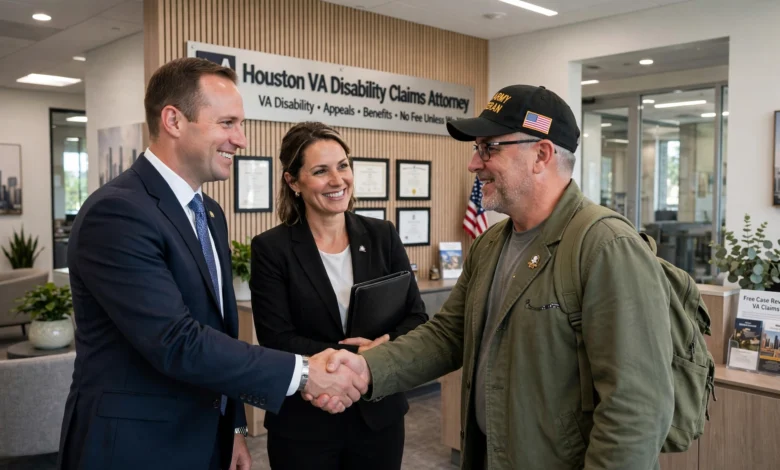
Houston VA disability claims move through one of the busiest regional offices in the country, and that volume brings real challenges for the veterans trying to get a fair decision. The Houston Regional Office, located at 6900 Almeda Road, serves close to 900,000 veterans and their families across 90 counties in southern Texas. With that kind of caseload, small mistakes in a claim, missing medical records, vague symptom descriptions, or incomplete forms, can turn into months of delay or an outright denial.
If you served and you’re dealing with a service-connected condition, you’re entitled to compensation. But entitlement on paper doesn’t always translate to a smooth process. Veterans in the Houston area often run into the same roadblocks: confusion about which office handles their claim, uncertainty about what evidence actually counts, and frustration when a claim comes back denied without a clear explanation.
This guide walks through how the Houston VA disability claims process actually works, the most common reasons claims get denied, and practical steps you can take right now to strengthen your case. Whether you’re filing for the first time or appealing a decision you disagree with, understanding the system is the first step toward getting the benefits you earned.
Understanding the Houston VA Disability Claims Process
Filing a VA disability claim in Houston follows the same federal process used nationwide, but local factors, like which office reviews your file and how backlogged that office currently is, can affect your timeline.
At a high level, the process includes:
- Filing the claim through VA.gov, by mail, in person, or with help from an accredited representative.
- Claim development, where the VA gathers your service records, medical evidence, and any additional documentation needed.
- Compensation and Pension (C&P) exam, a medical evaluation used to assess the severity of your condition.
- Rating decision, where the VA assigns a percentage based on how much your condition affects your ability to function.
- Notification, when you receive your decision letter explaining the outcome and your rating.
Each step matters. A gap in medical evidence or a missed exam can stall your Houston VA disability claim for weeks or months, so it helps to know what’s coming before it happens.
Who Handles Houston VA Disability Claims: Regional Office Overview
Office Location and Service Area
The Houston Regional Office is the primary point of contact for veterans disability compensation claims in southern Texas. It’s open Monday through Friday, generally 8:00 a.m. to 3:30 p.m., with a midday closure. Veterans can schedule an in-person or virtual appointment through the VA’s Visitor Engagement Reporting Application rather than showing up unannounced, which tends to shorten wait times.
Texas is actually served by two regional offices. The Houston office covers the southern counties, while the Waco Regional Office handles the northern part of the state. Which office reviews your claim depends on your address and current workload distribution, not on anything you control. Importantly, both offices apply the same federal rating criteria, so being assigned to one over the other has no bearing on your outcome.
Field Offices Serving the Houston Region
To reduce travel burden for veterans spread across a large geographic area, the Houston Regional Office operates outbased field locations, including offices in San Antonio, Corpus Christi, and McAllen. These smaller offices let veterans meet with a benefits counselor, submit documentation, or ask questions about an open claim without driving into Houston itself.


If you live outside the Houston metro area, checking whether a closer field office can handle your appointment is worth the few minutes it takes.
Common Reasons Houston VA Disability Claims Get Denied
Nationally, a large share of initial VA disability claims are denied, and Houston is no exception. Most denials trace back to a handful of recurring issues:
- Insufficient medical evidence connecting the condition to military service
- Missing or incomplete nexus letters from a treating physician
- Failure to attend the C&P exam, or attending without adequate preparation
- Vague or inconsistent symptom reporting in medical records
- Claims filed for conditions without a current diagnosis
- Errors in service treatment records that go uncorrected before submission
Understanding these patterns before you file gives you the chance to close the gaps ahead of time, rather than discovering them in a denial letter months later.
7 Proven Ways to Maximize Your Houston VA Disability Benefits
1. Build a Complete Medical Evidence File
The single biggest factor in most VA disability claims is evidence. This means current diagnoses, treatment history, and, where possible, a nexus letter from a doctor explicitly linking your condition to your time in service. If you’re being treated at the Michael E. DeBakey VA Medical Center in Houston or a private provider, request copies of your full treatment records well before you file. Gaps in your medical history are one of the fastest ways a strong claim turns into a denial.
2. Understand Presumptive Conditions
Certain conditions are automatically presumed to be service-connected if you served in specific locations or timeframes, removing the need to prove a direct link. The VA has expanded presumptive conditions in recent years to include several respiratory and toxic exposure-related illnesses tied to service in the Gulf War era and post-9/11 conflict zones. If your condition falls under a presumptive category, your claim may move faster and require less documentation. It’s worth checking the current list before you assume you need to prove causation from scratch.
3. Work With a VA-Accredited Representative
You are not required to file alone, and in most cases, you shouldn’t. VA-accredited representatives, including Veterans Service Organization (VSO) officers, attorneys, and claims agents, can review your file, flag weak points, and represent you at no upfront cost in many cases. The Houston Regional Office hosts several VSOs on-site specifically so veterans can get this kind of help without hiring outside counsel. Using an accredited representative also protects you from unaccredited “claim consultants” who charge fees the VA doesn’t allow.
4. File Fully Developed Claims
A Fully Developed Claim (FDC) means you submit all relevant evidence, medical records, service records, and supporting statements, at the time of filing, rather than waiting for the VA to request it piece by piece. This can meaningfully shorten processing time because it eliminates several rounds of back-and-forth. If you have your documentation organized before you file, choosing the FDC path is almost always the smarter move.
5. Track Your Claim Status Consistently
Once your Houston VA disability claim is submitted, checking its status through VA.gov lets you catch problems early, like a missed exam notice or a request for additional evidence that’s sitting unanswered. Set a recurring reminder to check every couple of weeks rather than waiting for a letter in the mail, which can add days to your response window.
6. Appeal Strategically Through Decision Review Options
If your claim is denied or you receive a rating you believe undervalues your condition, you have three main paths under the Appeals Modernization Act:
- Supplemental Claim, where you submit new and relevant evidence
- Higher-Level Review, where a senior reviewer re-examines the existing record without new evidence
- Board Appeal, where a Veterans Law Judge reviews your case, with or without a hearing
Choosing the right path depends heavily on why your claim was denied. If the denial was based on missing evidence, a Supplemental Claim is usually faster than jumping straight to the Board. If you believe the VA simply misapplied the law or overlooked evidence already in file, a Higher-Level Review may be more appropriate.
7. Consider a Claims Increase for Worsening Conditions
Service-connected conditions often get worse over time, particularly musculoskeletal, mental health, and hearing-related disabilities. If your symptoms have progressed since your last rating decision, you can file for an increased rating. This requires updated medical evidence showing the change, but it’s a legitimate and often underused path to getting your benefits aligned with your current reality.
VA Disability Rating System Explained
The VA assigns disability ratings in 10% increments, from 0% to 100%, based on how significantly a condition impairs your daily functioning and earning capacity. When you have multiple service-connected conditions, the VA doesn’t simply add the percentages together. Instead, it uses what’s often called “VA math,” a combined ratings table that accounts for the fact that a person can’t lose more than 100% of their overall function.
A few points worth understanding:
- Ratings are reviewed periodically and can be increased, decreased, or made permanent depending on the condition.
- Some conditions, like certain amputations or specific chronic illnesses, receive static ratings that aren’t subject to future reduction.
- Veterans rated at 100% or those who qualify for Total Disability based on Individual Unemployability (TDIU) may be eligible for additional benefits, including expanded healthcare access and dependent benefits.
According to the official VA disability compensation resources, understanding how combined ratings and compensation rates are calculated can help veterans set realistic expectations before filing or appealing.
Resources for Houston-Area Veterans
Beyond the regional office itself, Houston veterans have access to a network of support organizations:
- Michael E. DeBakey VA Medical Center for healthcare and C&P exam coordination
- Veterans Service Organizations (VFW, DAV, American Legion, and others) with representatives stationed at the Houston Regional Office
- Vet Centers, which offer readjustment counseling separate from disability claims processing
- Texas Veterans Commission, a state-level resource that also assists with federal VA claims
For official guidance on filing, gathering evidence, and understanding your rights during the claims process, the VA’s official disability benefits page remains the most reliable starting point before you submit anything.
Frequently Asked Questions
How long does a Houston VA disability claim take to process? Processing times vary based on claim complexity and current office workload, but Fully Developed Claims with complete evidence generally move faster than claims requiring additional development.
Can I file my claim online instead of visiting the Houston office? Yes. Most veterans file and manage their claims through VA.gov, and an in-person visit is only necessary if you want direct help from a benefits counselor or VSO representative.
What happens if I miss my C&P exam? Missing a Compensation and Pension exam without rescheduling can result in your claim being decided based on existing evidence alone, which often leads to a lower rating or denial. Contact the VA immediately if you need to reschedule.
Do I need a lawyer to file a VA disability claim? No, but many veterans choose to work with a VA-accredited attorney or VSO representative, especially for appeals, since these advocates understand what evidence reviewers are looking for.
Conclusion
Navigating Houston VA disability claims doesn’t have to feel like guesswork. Understanding how the Houston Regional Office operates, knowing the most common reasons claims get denied, and applying practical strategies, from building complete medical evidence to choosing the right appeal path, can significantly improve your chances of a fair outcome.
Whether you’re filing for the first time, seeking an increased rating, or appealing a denial, the veterans who succeed are usually the ones who prepare their evidence early and use the resources already available to them, including VSOs, accredited representatives, and the Houston Regional Office itself. Your service earned these benefits. Taking a methodical approach to your claim is how you make sure the VA sees the full picture.