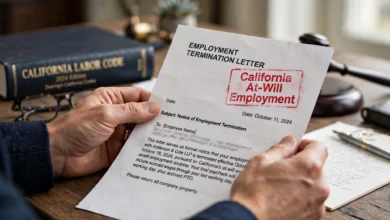
New York Wrongful Termination Settlements: What Your Case Could Be Worth
New York wrongful termination settlements vary widely. See what factors affect your case value and what compensation you may be owed.

If you were fired and believe it wasn’t legal, one of the first questions you’re probably asking is simple: what is my case actually worth? New York wrongful termination settlements don’t follow a fixed formula, and anyone who tells you an exact number without knowing the details of your situation is guessing. That said, there’s a real pattern to how these cases get valued once you understand the pieces that go into it.
New York has some of the strongest employee protections in the country, largely because of the New York State Human Rights Law (NYSHRL) and the New York City Human Rights Law (NYCHRL), both of which go further than federal law in protecting workers. That matters a lot when it comes to settlement value, because broader protections often translate into stronger leverage and bigger payouts.
This article walks through how wrongful termination settlements in New York are actually calculated, what kinds of damages you can recover, how long you have to act, and what tends to push a case’s value up or down. Whether you were let go after reporting harassment, taking medical leave, or filing a workers’ comp claim, understanding the mechanics behind these settlements will help you have a more informed conversation with an attorney and set realistic expectations for your own claim.
What Counts as Wrongful Termination in New York
Before getting into dollar figures, it helps to understand what actually qualifies as wrongful termination under New York law, because not every unfair firing is illegal.
At-Will Employment vs. Unlawful Termination
New York is an at-will employment state. That means, in general, an employer can fire you for almost any reason, or no reason at all, without warning. This surprises a lot of people, and it’s the reason so many terminations that feel unfair still aren’t illegal.
However, at-will employment has limits. An employer cannot fire you for a reason that violates state or federal law. When that happens, the firing crosses the line from “unfair” into “unlawful,” and that’s when a wrongful termination claim becomes possible.
Common Legal Grounds for a Wrongful Termination Claim
Most New York wrongful termination lawsuits fall into one of these categories:
- Discrimination based on race, sex, age, disability, religion, national origin, sexual orientation, or gender identity
- Retaliation for reporting discrimination, harassment, wage theft, or safety violations
- Whistleblower retaliation after reporting illegal activity by the employer
- Violation of an employment contract, including implied contracts created by employee handbooks
- Retaliation for taking protected leave, such as FMLA leave or workers’ compensation leave
- Retaliation for union activity or organizing efforts
If your termination fits into one of these buckets, you likely have grounds for a claim, and that claim has real settlement value.
Average Wrongful Termination Settlement Amounts in New York
People searching for wrongful termination settlement amounts usually want a single number, but the honest answer is that outcomes range enormously. Some cases settle for a few thousand dollars, covering a couple months of lost wages plus a bit extra to avoid litigation costs. Others resolve for six or seven figures, especially where there’s clear evidence of discrimination, a pattern of misconduct by the employer, or a high-earning employee with years of lost income ahead of them.


Generally speaking, New York wrongful termination settlements tend to fall into a few rough tiers:
- Lower-value claims (roughly $10,000–$50,000): Weaker evidence, short time at the company, or a relatively quick re-employment after termination
- Mid-range claims (roughly $50,000–$250,000): Solid evidence of discrimination or retaliation, moderate lost wages, and some documented emotional distress
- High-value claims ($250,000 and up): Strong documentary evidence, senior or highly compensated employees, egregious employer conduct, or cases involving punitive damages
These numbers are rough guidance, not a guarantee. Your actual settlement depends on the specific facts of your case.
Factors That Influence Settlement Value
Here are the main factors that push a settlement figure up or down:
- Strength of evidence — emails, texts, performance reviews, and witness statements that show discriminatory or retaliatory intent
- Salary and benefits lost — higher earners generally have higher potential damages
- Length of unemployment — how long it took you to find comparable work after termination
- Emotional distress — documented anxiety, depression, or other harm, especially if you sought therapy or medical treatment
- Employer’s size and resources — larger companies with more at stake in reputation and precedent often settle faster and for more
- Pattern of misconduct — evidence that the employer has done this before strengthens your position significantly
- Willingness to litigate — attorneys who are prepared to take a case to trial typically negotiate stronger settlements than those seen as likely to fold
Types of Compensation You Can Recover
A wrongful termination settlement isn’t just one number. It’s usually made up of several categories of damages, each calculated differently.
Economic Damages
This is the most straightforward category and usually the biggest piece of the settlement. It includes:
- Back pay: wages and benefits lost from the date of termination through the settlement or trial date
- Front pay: future lost wages if reinstatement isn’t practical, sometimes covering months or years
- Lost benefits: health insurance, retirement contributions, bonuses, and stock options you would have received
Emotional Distress Damages
New York courts and the NYCHRL in particular recognize that losing a job under discriminatory or retaliatory circumstances causes real psychological harm. Compensation here depends heavily on documentation. Therapy records, medical notes, and even detailed personal journals can support this part of the claim.
Punitive Damages
In cases involving especially malicious or reckless conduct by an employer, punitive damages may be available, particularly under the NYCHRL, which allows for them more readily than federal law. These are meant to punish the employer, not just compensate the employee, and they can significantly increase a settlement’s total value.
Attorney’s Fees and Costs
Most New York employment discrimination statutes, including the NYSHRL and NYCHRL, allow a prevailing employee to recover attorney’s fees from the employer. This is a major reason many employment attorneys take these cases on contingency: if you win, the employer often ends up paying your legal costs on top of your damages.
How Settlements Are Calculated
There’s no single spreadsheet formula, but attorneys and mediators generally build a settlement figure using this rough approach:
- Calculate total economic damages (back pay, front pay, lost benefits)
- Add an estimate for emotional distress based on comparable case outcomes
- Factor in punitive damages if the conduct was egregious
- Add anticipated attorney’s fees and litigation costs
- Adjust the total based on the strength of evidence and the risk of losing at trial
That last step matters more than people expect. Even a strong case gets discounted somewhat in negotiations because litigation is unpredictable, and both sides typically want to avoid the time and expense of a trial. This is part of why having skilled representation changes outcomes so much. According to the U.S. Equal Employment Opportunity Commission, charge statistics and outcomes show that resolution rates and settlement values vary significantly depending on how well a claim is documented and pursued from the start.
Steps to Take If You Believe You Were Wrongfully Terminated
If you think your firing was illegal, what you do in the days and weeks after matters. Here’s a practical sequence:
- Write down everything while it’s fresh: dates, names, what was said, and any witnesses present
- Gather documentation: performance reviews, emails, texts, pay stubs, and your termination letter
- Request your personnel file in writing, which New York law generally requires employers to provide
- Avoid signing a severance agreement without having an attorney review it first, since many contain waivers of your legal rights
- File a complaint with the New York State Division of Human Rights or the EEOC if your claim involves discrimination
- Consult an employment attorney early, ideally before you sign anything or accept a settlement offer
Acting quickly protects your evidence and your legal options. Waiting too long can weaken a claim even if the underlying facts are strong.
How Long Do You Have to File a Claim?
Deadlines in New York depend on which law your claim falls under, and missing one can end your case regardless of how strong it is.
- NYSHRL claims: generally three years from the date of the discriminatory act
- NYCHRL claims: generally three years as well, for claims within New York City
- Federal claims under Title VII: typically require filing a charge with the EEOC within 300 days
- Breach of contract claims: usually six years under New York’s general contract statute of limitations
Because these timelines overlap and interact, it’s worth confirming your specific deadline with an attorney rather than relying on general rules of thumb. The New York State Division of Human Rights provides official guidance on filing a discrimination complaint and the applicable time limits.
Should You Settle or Go to Trial?
Most wrongful termination cases in New York settle before trial, and there are good reasons for that on both sides. Settlements are faster, private, and guaranteed, while a trial verdict is neither certain nor quick. Employers often prefer settling to avoid the cost of litigation, negative publicity, and the risk of a jury awarding significant punitive damages.
That said, settling too early or too cheaply is a common mistake. Employers sometimes make a low initial offer hoping the employee accepts it out of financial pressure or fear of a long legal fight. A well-prepared case, backed by solid evidence and an attorney willing to litigate if needed, typically results in a stronger settlement offer because the employer knows the alternative is a costlier, riskier trial.
How an Employment Attorney Can Maximize Your Settlement
Hiring the right attorney is probably the single biggest factor in how a wrongful termination settlement turns out. Here’s what a good employment lawyer typically brings to the table:
- Accurate valuation of your claim based on comparable case outcomes
- Skilled negotiation with the employer’s legal team or insurance representatives
- Deep knowledge of NYSHRL and NYCHRL protections, which often exceed federal law
- Experience anticipating employer defenses and countering them early
- Willingness to file suit and go to trial if a fair settlement isn’t offered
Many employment attorneys in New York work on contingency, meaning you don’t pay upfront and they only get paid if you recover compensation. That arrangement also tends to align incentives: your attorney is motivated to get you the strongest possible settlement, not just close the case quickly.
Final Thoughts
Wrongful termination settlements in New York depend on a combination of factors: the strength of your evidence, the type of claim you’re bringing, your lost wages and benefits, the emotional impact of the termination, and how prepared your legal team is to fight for a fair outcome. There’s no single number that applies to every case, but understanding how back pay, front pay, emotional distress damages, and potential punitive damages fit together gives you a realistic framework for what your claim might be worth.
If you believe you were fired illegally, the most important steps are to document everything, avoid signing away your rights, and speak with an experienced employment attorney before the statute of limitations runs out. The sooner you act, the more options you’ll have to protect your case and your compensation.