Melbourne Criminal Defence Lawyer: 7 Proven Tips to Find the Best Legal Help in Victoria
Facing charges in Victoria? This guide covers how to choose a Melbourne criminal defence lawyer, what to ask, likely costs, and your rights after arrest.
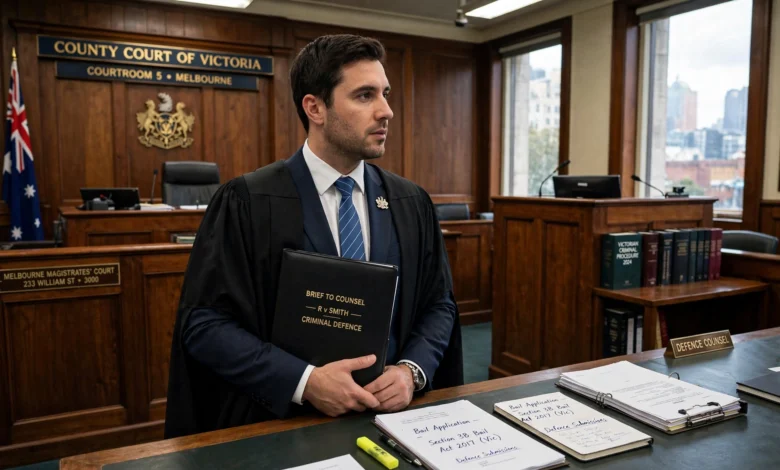
Getting a call from the police, being handed a charge sheet, or watching a family member get arrested is a moment most people never plan for. One minute life is normal. The next, you’re searching for a Melbourne criminal defence lawyer at midnight and trying to make sense of words like “summons,” “bail,” and “mention hearing.”
The good news is that you don’t have to figure it all out alone, and you don’t have to pick the first name that appears in your search results either. The lawyer you choose can shape how your case unfolds, from whether you get bail to whether you walk away with a conviction on your record.
This guide is written for everyday Victorians, not lawyers. It explains how criminal charges in Victoria move through the courts, what separates a good criminal lawyer in Melbourne from an average one, and which questions to ask before you sign anything. You’ll also find a clear step-by-step list of what to do if you’ve just been arrested, a plain-English breakdown of legal fees, and information about free help through Victoria Legal Aid.
Whether you’re dealing with a drink driving matter, an assault allegation, a drug charge, or something more serious, the aim is simple: help you make a calm, informed choice about who stands beside you in court. Read it through once, then keep it handy.
Why You Need a Melbourne Criminal Defence Lawyer Early
A lot of people wait until the week before court to get legal advice. That’s usually a mistake. The earlier a Melbourne criminal defence lawyer gets involved, the more options you tend to have.
Here’s why timing matters so much:
- Police interviews are high stakes. What you say (or don’t say) in a record of interview can become key evidence. A lawyer can advise you before the interview about your right to silence and how to handle questioning.
- Evidence can disappear. CCTV footage gets overwritten, witnesses forget details, and phone records become harder to get. An early lawyer can move to preserve evidence that helps you.
- Early negotiation can reduce charges. Many matters are resolved through negotiation with the prosecution. Charges can sometimes be withdrawn, downgraded, or combined before a case ever reaches a contested hearing.
- Diversion may be on the table. For eligible first-time or low-level offenders, the Magistrates’ Court diversion program can mean no criminal record. A lawyer knows how to apply and how to present you in the best light.
- Bail needs preparation. If you or someone close to you is in custody, a strong bail application in Melbourne depends on having the right material ready fast.
In short, legal representation isn’t just about standing up in court. Much of the real work happens well before anyone steps into a courtroom.
How Criminal Cases Move Through Victorian Courts
Understanding the court system makes it easier to judge whether a lawyer has the right experience for your matter. Victoria has several courts that deal with criminal cases, and each handles different levels of seriousness.
The Magistrates’ Court of Victoria
The Magistrates’ Court of Victoria is where almost every criminal case starts. It deals with summary offences (less serious charges like minor traffic matters, low-level theft, and many drink driving cases) and a large number of indictable offences that can be heard summarily.


Most cases begin with a “mention,” which is a short hearing where the court checks on progress. From there, a case might resolve with a plea of guilty, go to a contested hearing, or move to committal proceedings if it’s a more serious charge heading to a higher court. You can read about how the court works on the Magistrates’ Court of Victoria website.
The County Court of Victoria
The County Court hears serious indictable offences such as serious assaults, large-scale drug trafficking, sexual offences, and major fraud. Trials here are often heard before a judge and jury. If your matter is likely to end up in the County Court, you want a lawyer with genuine trial experience, not just someone who mainly handles guilty pleas.
The Supreme Court of Victoria
The Supreme Court deals with the most serious criminal matters, including murder and attempted murder. It also hears certain bail applications and appeals through the Court of Appeal. Cases at this level usually involve a solicitor working alongside a barrister.
The Children’s Court of Victoria
If the accused person was a child at the time of the alleged offence, the matter usually goes to the Children’s Court. This court puts a strong focus on rehabilitation, and the process is quite different from adult courts. Parents should look for a lawyer who regularly appears in the Children’s Court and understands its approach.
7 Proven Tips to Find the Right Melbourne Criminal Defence Lawyer
Not every lawyer who takes criminal work is the right fit for your case. These seven tips will help you narrow down your options with confidence.
1. Look for Someone Who Focuses on Criminal Law
A general practice lawyer who handles wills on Monday, conveyancing on Tuesday and a criminal case on Wednesday may not have the depth you need. A dedicated criminal lawyer in Melbourne spends every day in the courts, knows the prosecutors, and understands how particular magistrates tend to approach sentencing.
Ask directly: “What percentage of your work is criminal law?” The answer tells you a lot.
2. Check for Specialist Accreditation
The Law Institute of Victoria runs a specialist accreditation program. An accredited criminal law specialist has passed a demanding assessment and has proven experience in the field. Not every excellent lawyer holds this accreditation, but it’s a strong sign of skill and commitment. You can search for accredited specialists through the Law Institute of Victoria.
3. Match Their Experience to Your Charge
A lawyer who’s brilliant at traffic offences may not be the best choice for a complex fraud trial, and the reverse is true too. When you speak to a Melbourne criminal defence lawyer, ask about cases similar to yours:
- How many matters like this have they handled?
- What outcomes did those clients get?
- Have they run contested hearings or trials on this type of charge?
A good lawyer will talk openly about their experience without making promises about your result.
4. Pay Attention to How They Communicate
Criminal cases are stressful, and you’ll probably have a lot of questions. The right lawyer explains things in plain English, returns your calls within a reasonable time, and keeps you updated before each court date.
During your first conversation, notice whether they actually listen or just talk at you. If you walk out more confused than when you walked in, that’s worth thinking about.
5. Ask for Clear, Written Fee Information
In Victoria, lawyers generally have to give you a written disclosure of their costs. A trustworthy lawyer will tell you upfront whether they charge a fixed fee or an hourly rate, what’s included, and what might cost extra (like barrister fees or expert reports). Vague answers about money are a red flag.
6. Check Their Standing with the Regulator
Every practising lawyer in Victoria must hold a current practising certificate. You can check a lawyer’s registration through the Victorian Legal Services Board + Commissioner. This takes a couple of minutes and gives you peace of mind.
7. Read Reviews, but Read Them Carefully
Online reviews can give a helpful sense of how a lawyer treats clients. That said, criminal clients often don’t want to post publicly, so a small number of reviews isn’t necessarily a bad sign. Look for patterns in what people say about communication, honesty and preparation, rather than focusing on star ratings alone.
Common Criminal Charges in Victoria and What They Involve
A Melbourne criminal defence lawyer handles a wide range of matters. Here are some of the most common charges people face and what to keep in mind for each.
Drink Driving and Drug Driving
Traffic offences are among the most frequent matters in the Magistrates’ Court. Penalties can include licence cancellation, fines, interlock conditions and, in serious or repeat cases, jail. A skilled drink driving lawyer can check whether testing procedures were followed correctly and argue for the most favourable outcome, particularly if your licence is essential for work.
Assault Charges
Assault charges range from common assault to intentionally causing serious injury. The outcome often depends on the facts: who started it, whether there was self-defence, what injuries occurred, and what witnesses and footage show. These cases can turn on small details, so thorough preparation matters.
Drug Offences
Drug charges include possession, use, cultivation and trafficking. The quantity involved makes a huge difference to how seriously a case is treated. For low-level possession, diversion or treatment-focused outcomes may be available. Trafficking charges are far more serious and need experienced criminal defence in Victoria.
Theft and Fraud
Theft, burglary, obtaining property by deception and other dishonesty offences can carry serious consequences, especially for employment. A conviction for dishonesty can affect careers in finance, healthcare, law and many other fields.
Family Violence Matters
Family violence cases often involve both criminal charges and a Family Violence Intervention Order. The two are connected but separate, and what happens in one can affect the other. Getting advice early is especially important here, as breaches of an order can lead to further charges.
What to Do If You Are Arrested or Charged in Victoria
If you or someone you care about has been arrested, these steps can protect your position.
- Stay calm and be polite. Arguing with police rarely helps and can make things worse.
- Give your name and address if asked. You’re generally required to provide these details, but beyond that you have the right to remain silent.
- Ask to speak with a lawyer. In Victoria, police must generally give you the chance to contact a lawyer before questioning. Use it.
- Don’t sign anything you don’t understand. Wait for legal advice first.
- Don’t discuss your case with anyone else. That includes friends, cellmates and social media. Conversations can be recorded or repeated.
- Write down what happened as soon as you can. Note times, names and details while they’re fresh, and share them only with your lawyer.
- Keep all paperwork. Your charge sheet, summons, bail conditions and any property receipts are all important.
- Follow bail conditions exactly. Breaching bail can lead to new charges and make it harder to get bail in the future.
These steps apply whether you’re facing a minor charge or something serious. The common thread is to say as little as possible until you’ve had proper advice.
Understanding Legal Fees for Criminal Defence in Melbourne
Cost is one of the biggest worries people have when looking for a criminal lawyer in Melbourne. Fees vary widely based on the complexity of your matter, the court involved, and the lawyer’s experience.
Fixed Fees
Many firms offer fixed fees for straightforward matters, such as a guilty plea in the Magistrates’ Court or a standard drink driving case. Fixed fees give you certainty, which can ease a lot of stress.
Hourly Rates
For complex or contested matters, lawyers often charge by the hour. Ask for an estimate of total costs and how often you’ll get updates on what’s been spent.
Additional Costs to Expect
Beyond the lawyer’s own fees, you may need to pay for:
- Barrister fees if your case goes to a contested hearing or trial
- Expert reports, such as psychological or medical assessments
- Character references are free, but getting them organised takes time
- Court transcripts and document costs
A good Melbourne criminal defence lawyer will walk you through all of these before you commit, so there are no surprises later.
Free and Low-Cost Legal Help in Victoria
If money is tight, you still have options. You don’t need to face court without advice.
Victoria Legal Aid
Victoria Legal Aid provides free legal information to everyone and may provide free lawyers for people who meet eligibility tests. At many Magistrates’ Courts, duty lawyers are available on the day to give advice and sometimes represent people. You can check eligibility and find services on the Victoria Legal Aid website.
Community Legal Centres
Community legal centres across Melbourne offer free advice on a range of legal issues. Some focus on particular communities or areas of law. They’re a good first stop if you’re unsure where to begin.
Aboriginal Legal Services
The Victorian Aboriginal Legal Service provides culturally safe legal help for Aboriginal and Torres Strait Islander people. Their lawyers understand the specific issues that can arise and work closely with the community.
Private Lawyers with Legal Aid Grants
Some private firms take Legal Aid funded matters. This means you may be able to get a private Melbourne criminal defence lawyer at no cost or a reduced cost if you qualify for a grant of aid.
Questions to Ask During Your First Meeting
Your first meeting with a lawyer is as much about you assessing them as it is about them hearing your story. Bring your paperwork and ask questions like these:
- How long have you been practising criminal law?
- Have you handled cases like mine, and what were the outcomes?
- Who will actually appear for me in court, you or someone else in the firm?
- What are my realistic options: plead guilty, contest, or seek diversion?
- What’s the likely range of penalties if I’m found guilty?
- How much will this cost, and what does that include?
- How will you keep me updated?
- Is there anything I should do, or avoid doing, right now?
Pay attention to whether the lawyer gives you honest, balanced answers. Someone who guarantees a result is telling you what you want to hear, not what’s true.
Red Flags to Watch Out For
Just as there are signs of a great lawyer, there are warning signs that suggest you should keep looking.
- Guaranteed outcomes. No lawyer can promise how a magistrate, judge or jury will decide.
- Pressure to sign quickly. A good lawyer gives you time to think.
- Unclear fees. If they can’t explain costs in plain terms, expect billing surprises.
- Poor responsiveness. If they’re hard to reach before you’ve hired them, it rarely improves afterwards.
- Lack of court experience. Some lawyers rarely appear in court and outsource the advocacy. That’s not always a problem, but you should know upfront.
- Dismissive attitude. You deserve to be treated with respect, whatever you’ve been charged with.
Trust your instincts here. You’ll be working closely with this person during a stressful time, and the relationship matters.
How a Good Lawyer Can Protect Your Future
The consequences of a criminal conviction reach well beyond the courtroom. A criminal record can affect job applications, working with children checks, professional registrations, travel visas and rental applications.
This is where skilled criminal defence in Victoria makes a real difference. A capable lawyer will:
- Test the strength of the prosecution’s evidence and challenge weak points
- Negotiate with police prosecutors or the Office of Public Prosecutions to reduce or withdraw charges
- Explore diversion and other options that avoid a recorded conviction
- Prepare strong plea material, including character references and reports, if you plead guilty
- Argue for sentencing outcomes that let you keep working and supporting your family
Even when a guilty plea is the right path, the way your case is presented can mean the difference between a conviction and no conviction being recorded. That’s often the result that matters most for your long-term future.
Choosing Between a Small Firm and a Large Firm
Melbourne has everything from sole practitioners to large criminal law firms with dozens of lawyers. Both can be excellent choices, and the right fit depends on your needs.
Smaller Firms and Sole Practitioners
Smaller practices often offer a more personal service. You’re likely to deal with the same lawyer from start to finish, and they may be more flexible with fees. The downside is that they can be stretched thin if several cases land at once.
Larger Firms
Larger firms usually have more resources, broader experience across many types of charges, and the ability to cover court appearances when your lawyer is unavailable. Some people find this reassuring. Others miss the personal touch.
Either way, what matters most is the individual lawyer handling your matter. Ask who that will be and make sure you’re comfortable with them.
Conclusion
Finding the right Melbourne criminal defence lawyer is one of the most important decisions you’ll make after being charged, and it’s worth taking a little time to get it right. Start by getting advice early, ideally before any police interview, then look for a lawyer who focuses on criminal law, has experience with your type of charge, communicates clearly, and gives honest, written information about fees.
Understand how your case might move through the Magistrates’, County, Supreme or Children’s Court, follow the practical steps after an arrest, and remember that free help is available through Victoria Legal Aid, community legal centres and the Victorian Aboriginal Legal Service if cost is a concern. Watch for red flags like guaranteed outcomes or pressure to sign, and keep in mind that good legal representation isn’t only about winning in court but about protecting your job, your record and your future long after the case is over.