Florida Whistleblower Protection: When Firing Violates State Law
Florida whistleblower protection explained: 7 critical rights, retaliation signs, filing steps, and remedies if you were fired unlawfully.
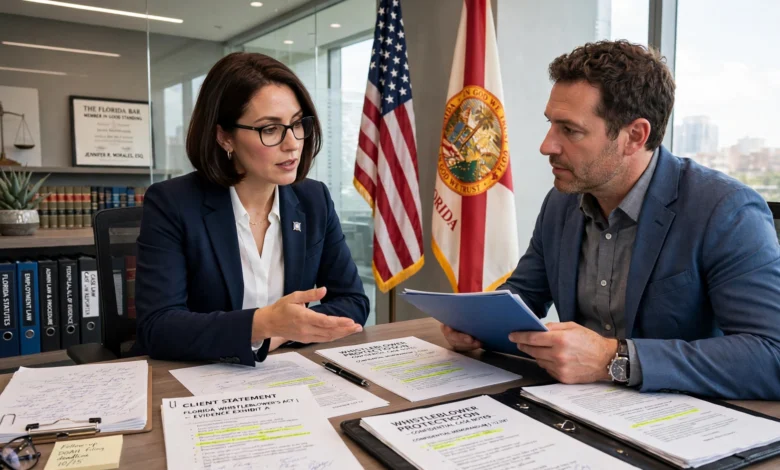
Florida whistleblower protection exists for one simple reason: employees who report wrongdoing shouldn’t have to choose between doing the right thing and keeping their paycheck. Every year, workers across the state notice something wrong at their job, whether it’s fraud, safety violations, or illegal conduct, and they speak up. Some report it internally to a supervisor. Others go further and contact a government agency. What happens next can determine whether Florida law will protect them.
Unfortunately, retaliation still happens. An employee reports a problem, and weeks later they’re written up for something minor, passed over for a promotion, or fired outright. When this happens, it’s not just unfair, it may be illegal. Florida has specific statutes designed to shield workers from this kind of retaliation, but the protections aren’t automatic and they aren’t unlimited. Knowing how the law works, what counts as protected activity, and what steps to take after a suspicious termination can make the difference between a valid legal claim and a missed opportunity.
This article breaks down how Florida whistleblower law actually functions, who it covers, what qualifies as retaliation, and what you can do if you believe your firing crossed a legal line.
What Is Whistleblower Protection Under Florida Law
At its core, whistleblower protection is a legal safeguard that prevents employers from punishing workers for reporting illegal or unethical conduct. In Florida, this protection comes primarily from two statutes: the Florida Private Whistleblower Act (Florida Statutes Section 448.102) and the Florida Public Whistleblower Act (Florida Statutes Section 112.3187). Together, these laws form the backbone of Florida whistleblower protection, though they apply differently depending on whether you work in the private or public sector.
The general idea behind both laws is the same. If an employee reports, refuses to participate in, or objects to conduct they reasonably believe is illegal, the employer cannot retaliate by firing, demoting, suspending, or otherwise punishing that employee. The laws recognize that employees are often in the best position to catch fraud, safety hazards, or regulatory violations early, and that punishing them for speaking up discourages the kind of transparency that protects everyone.
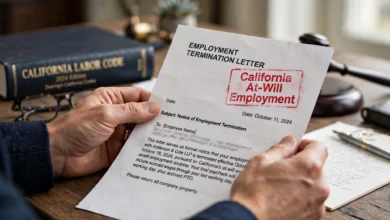
That said, whistleblower protection isn’t a blanket shield against being fired. Florida remains an at-will employment state, meaning employers can generally terminate workers for almost any reason, or no reason at all. The exception is when the firing is connected to protected whistleblowing activity. That connection is what turns an ordinary termination into an unlawful one.
Florida’s Whistleblower Protection Act Explained
Private Sector Employees
For most people working in Florida’s private sector, the relevant law is the Florida Private Whistleblower Act (FWA), found in Section 448.102 of the Florida Statutes. This law protects employees who:
- Disclose or threaten to disclose an employer’s violation of a law, rule, or regulation to a government agency
- Provide information to, or testify before, any appropriate governmental agency conducting an investigation into an employer’s alleged violation
- Object to or refuse to participate in any activity, policy, or practice of the employer that violates a law, rule, or regulation
An important detail here is that the private sector law generally requires the employee to have first reported the violation internally, in writing, and given the employer a reasonable chance to correct the problem, unless doing so would be futile or dangerous. This internal reporting requirement is one of the more commonly overlooked parts of the statute, and failing to follow it can weaken an otherwise strong claim.
Public Sector Employees
Government employees in Florida are covered by a separate but similarly structured law, the Florida Public Whistleblower Act, under Section 112.3187. This statute protects state, county, and municipal employees who report violations of law by their employer, gross mismanagement, waste of public funds, or actions that create a substantial danger to public health or safety.


Public employees generally have somewhat broader protection than private sector workers because government transparency carries additional weight. Reports can typically be made to an agency’s inspector general, the Chief Financial Officer, the Florida Commission on Human Relations, or another appropriate authority, and the law explicitly protects employees who cooperate with investigations into these matters.
What Counts as Protected Activity
Not every complaint at work qualifies as protected whistleblowing. To fall under Florida whistleblower protection, the activity generally needs to meet a few conditions.
- The employee must have a good faith, reasonable belief that a violation occurred. You don’t have to be right in every legal detail, but your belief that something illegal happened needs to be genuine and reasonable given the circumstances.
- The complaint must involve an actual law, rule, or regulation. General workplace disagreements, personality conflicts, or dissatisfaction with company policy that isn’t tied to illegality typically won’t qualify.
- The report must go through a recognized channel. This can include internal reporting to a supervisor or compliance department, or external reporting to a government agency, depending on which statute applies.
- The employee’s actions and the employer’s negative response must be connected. There has to be a link, often shown through timing or direct evidence, between the whistleblowing and the adverse action.
Examples of activity that commonly falls under whistleblower protection include reporting financial fraud, refusing to falsify safety records, flagging violations of environmental regulations, reporting wage theft, or objecting to discriminatory practices that violate the law.
Signs Your Termination May Have Violated Whistleblower Protections
Retaliation is rarely announced outright. Employers don’t usually say “we’re firing you because you reported us.” Instead, retaliation tends to show up in more subtle patterns. Some warning signs worth paying attention to include:
- Suspicious timing. You were fired, demoted, or disciplined shortly after making a report or complaint.
- A sudden shift in performance reviews. You had solid evaluations before the report, and negative ones appeared soon after.
- Increased scrutiny. You’re being watched more closely or held to standards that weren’t applied before.
- Isolation or exclusion. You’re left out of meetings, projects, or communications you used to be part of.
- Inconsistent explanations. The reason given for termination doesn’t match how similar situations were handled for other employees.
- Pressure to stay quiet. You were told, directly or indirectly, to drop the issue or face consequences.
None of these signs alone proves retaliation, but together they can build a pattern that supports a whistleblower retaliation claim.
Steps to Take If You Believe You Were Fired for Whistleblowing
If you suspect your termination was connected to a report you made, how you respond in the days and weeks that follow matters. Consider these steps:
- Document everything. Write down dates, names, and details of what you reported and to whom. Save emails, texts, memos, and performance reviews.
- Preserve evidence before you lose access. Once you’re terminated, you may lose access to work email or internal systems, so gather anything relevant while you still can, within the limits of company policy and the law.
- Review your reporting history. Confirm whether you reported the issue internally, externally, or both, and whether that reporting followed the process required under the applicable statute.
- Avoid signing anything immediately. If you’re offered a severance agreement, take time to review it carefully before signing, since it may waive your right to pursue a claim.
- Consult an employment attorney. Florida whistleblower cases involve strict procedural requirements and short filing deadlines, so getting legal advice early is important.
- File a complaint with the appropriate agency, if applicable. Depending on your situation, this could involve the Florida Commission on Human Relations, the U.S. Department of Labor, OSHA, or another regulatory body.
Filing a Whistleblower Retaliation Claim in Florida
Once you’ve decided to pursue a claim, the process generally follows a few key stages.
Statute of Limitations
Florida’s whistleblower statutes come with strict deadlines. Under the Private Whistleblower Act, employees generally have two years from the date of the retaliatory act to file a lawsuit. Public sector employees under Section 112.3187 typically must first file a complaint with the appropriate agency, often within 60 days of the retaliatory action, before pursuing further legal action. Missing these deadlines can permanently bar a claim, so acting quickly is essential.
Building the Case
To succeed, an employee generally needs to show three things: that they engaged in a protected activity, that they suffered an adverse employment action, and that there’s a causal connection between the two. Employers will often argue the termination was based on a legitimate, non-retaliatory reason, such as poor performance or budget cuts. Overcoming that defense usually requires strong documentation and, in many cases, testimony from coworkers or internal records that contradict the employer’s stated reason.
Where Claims Are Filed
Private sector whistleblower lawsuits are typically filed in Florida circuit court. Public sector claims often start with an administrative complaint before moving to litigation if unresolved. For guidance on filing procedures and current statutory language, the Florida Legislature’s official statutes website is a reliable primary source, and the U.S. Department of Labor’s whistleblower protection program offers useful federal-level context for employees whose situation may also involve federal law.
Remedies Available to Florida Whistleblowers
If a whistleblower retaliation claim succeeds, Florida law allows for several types of relief, including:
- Reinstatement to the position the employee held before termination
- Back pay, covering lost wages and benefits from the time of termination through resolution of the case
- Compensation for lost benefits, such as health insurance or retirement contributions
- Attorney’s fees and court costs, which can be recovered by the prevailing employee
- Injunctive relief, meaning a court order requiring the employer to stop the retaliatory conduct
In some cases, particularly under the public sector statute, additional remedies like front pay (compensation for future lost earnings) may also be available if reinstatement isn’t practical.
How Florida Whistleblower Law Compares to Federal Protections
Florida’s whistleblower statutes don’t exist in isolation. Depending on the industry and type of violation reported, federal laws may also apply, sometimes offering broader or additional protection.
- Sarbanes-Oxley Act (SOX) protects employees of publicly traded companies who report securities fraud.
- OSHA’s whistleblower provisions cover employees who report workplace safety violations across more than 20 different federal statutes.
- False Claims Act protections apply to employees who report fraud against government contracts or programs, and can include monetary rewards through qui tam provisions.
- Title VII and related civil rights laws protect employees who report discrimination, which can sometimes overlap with state whistleblower claims.
Because federal and state protections can apply simultaneously, it’s worth evaluating a potential claim under both frameworks. In some cases, federal law may offer a longer filing window or different remedies than Florida’s state statutes, so understanding how they interact can strengthen an employee’s overall position.
Conclusion
Florida whistleblower protection gives employees a real legal path when they’re punished for doing the right thing, but it only works if you understand how it applies to your situation. Whether you’re covered under the private sector or public sector statute, the law requires a genuine, reasonable report of illegal conduct, a proper reporting channel, and a clear connection between that report and the adverse action you experienced.
If you’ve been fired, demoted, or otherwise retaliated against after reporting wrongdoing, document everything, act within the applicable deadlines, and talk to an employment attorney who handles whistleblower cases in Florida. Speaking up shouldn’t cost you your job, and when it does, state law gives you a way to fight back.