California DUI First Offense: Penalties, Costs, and License Suspension
A California DUI first offense means fines, probation, DUI school, and a suspended license. Here is what it really costs and how you can keep driving.
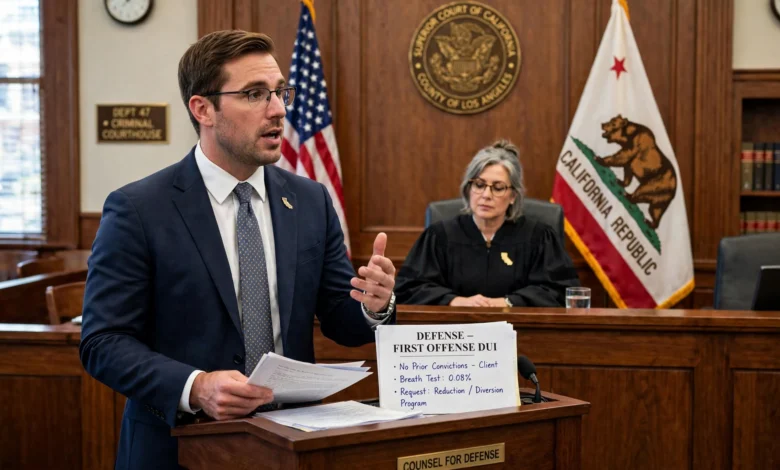
A California DUI first offense is rarely the minor setback people expect. Most drivers picture a fine and a stern warning. The reality usually includes probation, DUI school, a suspended license, higher insurance premiums, and a total bill that can pass $15,000 once everything is added up. It is also often the first time a person deals with the court system and the DMV at the same time, and those two run on separate tracks with separate deadlines.
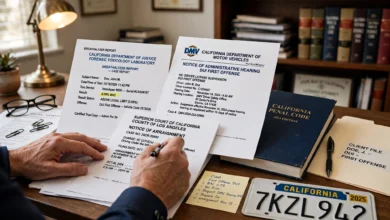
That second point trips up a lot of people. The criminal case decides fines, jail, and probation. The DMV case decides whether you can keep driving, and it starts the moment you are arrested. Miss the 10-day window to request a DMV hearing and your license suspension can take effect automatically, even if your court case is months away from being resolved.
This guide walks through how a first-time DUI in California actually plays out in 2026. You will see the standard DUI penalties under the Vehicle Code, how the suspension and ignition interlock device rules work, what a realistic budget looks like, which factors make a first offense more serious, and what to do right now to protect yourself. It is written in plain language, but it is not legal advice. Every case turns on its own facts, so treat this as a map and talk to a local DUI attorney about yours.
What Counts as a California DUI First Offense?
A California DUI first offense is a DUI arrest when you have no prior DUI-related conviction within the last 10 years. Most of these cases are charged under Vehicle Code 23152, and in nearly every situation without injuries, the charge is a misdemeanor.
People are often surprised that prosecutors usually file two counts at once. The first, under VC 23152(a), says you were driving while impaired by alcohol, drugs, or both. The second, under VC 23152(b), says your blood alcohol concentration (BAC) was 0.08% or higher. You can only be punished once, but the second count gives the prosecution a fallback if the impairment evidence is weak.
The Legal BAC Limits in California
The limit that applies to you depends on who you are and what you were driving:
- 0.08% BAC for most adult drivers 21 and older.
- 0.04% BAC for anyone driving a commercial vehicle, whether or not they hold a commercial license.
- 0.01% BAC for drivers under 21 and for anyone already on DUI probation. California calls this zero tolerance.
You can also be charged with a DUI with no alcohol at all. Prescription medication, marijuana, and illegal drugs all count if they impair your ability to drive safely. There is no fixed number for drugs, so these cases rely heavily on officer observations, drug recognition evaluations, and blood tests.
The 10-Year Lookback Rule
California looks back 10 years from the date of your new offense to the date of any earlier one. If an old DUI falls outside that window, your new arrest is treated as a first offense for sentencing and license purposes.
A few things still count as a prior inside that window:


- A DUI conviction from another state.
- A “wet reckless” plea to a DUI that was reduced.
- An earlier DUI that was later expunged. Expungement cleans up your record for many purposes, but it still counts as a prior.
This matters because a second offense carries mandatory jail and a much longer suspension. Getting the count right is the first thing a defense lawyer checks.
Criminal Penalties for a California DUI First Offense
If you are convicted of a standard misdemeanor California DUI first offense, the judge works from a fairly predictable menu set out in Vehicle Code 23536 and 23538. The exact mix depends on your BAC, your driving, your county, and how your lawyer negotiates. For an official summary of the sentencing ranges, the California Committee on Revision of the Penal Code’s overview of DUI punishments is a useful reference.
| Penalty | Typical range for a first offense |
|---|---|
| Probation | 3 to 5 years of informal (summary) probation |
| Jail | Up to 6 months; often none or 48 hours with probation |
| Base fine | $390 to $1,000 |
| Fine with penalty assessments | About $1,800 to $2,500 total |
| DUI school | 3, 6, or 9 months depending on BAC |
| License suspension (court) | 6 months, with restricted license options |
| Ignition interlock | Up to 6 months at the court’s discretion |
DUI Probation
Almost every first-time offender gets DUI probation, usually three years and sometimes five. It is informal, which means you do not report to a probation officer. The conditions still matter a lot. You cannot drive with any measurable alcohol in your system, you must submit to a chemical test if stopped, and you cannot pick up a new offense. Breaking any of these can send you back to court and into jail.
Jail Time
On paper, a first DUI carries 96 hours to six months in county jail. In practice, when a judge grants probation, the jail portion is often reduced to 48 hours or waived altogether, and many people get credit for the time they spent in custody after the arrest.
County culture plays a real role here. Some counties, such as Riverside and Ventura, are known for imposing more jail on first offenders than others. Many courts also allow alternatives like work release, community service, or electronic monitoring instead of a jail bed.
Fines and Penalty Assessments
The DUI fine in the statute is $390 to $1,000. That number is misleading. California stacks penalty assessments, court fees, and surcharges on top of the base fine, and the final bill usually lands between $1,800 and $2,500. Most courts let you pay over time.
DUI School
Completing a state-licensed DUI program is mandatory for a conviction and for getting your license back. The length depends mainly on your BAC:
- 3-month program (about 30 hours) for most first offenders with a BAC under 0.15%.
- 6-month program, which many courts order when the BAC was between 0.15% and 0.19%.
- 9-month program (about 60 hours) for a BAC of 0.20% or higher, or if you refused a chemical test.
The programs mix group sessions, education classes, and individual interviews. Expect to pay several hundred dollars for the short program and closer to $2,000 for the long one.
Other Court Conditions
Judges can add conditions that fit the case. Common ones include:
- Attending a MADD Victim Impact Panel, where you hear from families affected by impaired driving.
- Installing an ignition interlock device for up to six months.
- Paying restitution for any property damage.
- Community service or a volunteer work program.
License Suspension After a California DUI First Offense
For most people, losing the ability to drive is the hardest part of a California DUI first offense. The good news is that most first offenders can keep driving legally in some form, as long as they act quickly and follow the DMV’s steps.
Two Separate Cases: The DMV and the Court
A DUI arrest starts two independent processes:
- The DMV administrative case, often called the Admin Per Se or APS action. It looks only at whether you drove with a BAC of 0.08% or higher, or refused a test. It can suspend your license even if you are never convicted.
- The criminal court case, which decides guilt and punishment. A conviction triggers its own suspension through the DMV.
Winning one does not automatically win the other. That is why the DMV deadline matters so much.
The 10-Day Rule and the DMV Hearing
When you are arrested, the officer usually takes your physical license and gives you a pink notice that works as a temporary license for 30 days. You have just 10 days from the arrest to request a DMV hearing. If you request it in time, the suspension is put on hold until the hearing is decided.
If you do nothing, the suspension starts automatically when the 30 days run out. Even when the odds of winning look slim, the hearing gives your lawyer a chance to question the officer under oath and review the evidence early.
DMV Administrative Suspension
For a driver 21 or older who took a breath or blood test, the APS suspension for a first offense is 4 months. If you refused a test, it jumps to one year.
To apply for a restricted license during the APS suspension, the DMV generally requires proof of enrollment in a DUI program, an SR-22 insurance certificate, and a $125 reissue fee. The California DMV’s restricted license options for first offenders lays out the current requirements in detail.
Court-Triggered Suspension After Conviction
A conviction brings a 6-month license suspension under Vehicle Code 13352. Time already served under the APS suspension is usually credited, so you are not stacking the two from scratch.
Your Restricted License Options
For a non-injury first-time DUI, California gives you two main ways to keep driving:
- IID restricted license. Install an ignition interlock device, file an SR-22, enroll in DUI school, and pay the fees. You can drive anywhere, at any time, as long as the vehicle has a working device. For many people, this means no hard suspension at all.
- Work and DUI school restricted license. Serve a 30-day hard suspension with no driving, then get a license that lets you drive to and from work, during work, and to and from your DUI program.
If the DUI involved an injury, the rules are stricter and an interlock is required to get a restricted license.
Ignition Interlock Rules in 2026
An ignition interlock device (IID) is a small breath tester wired to your ignition. The car will not start if it detects alcohol, and it asks for random retests while you drive.
California’s current interlock framework came from Senate Bill 1046, which took effect statewide in 2019. In 2025, the Legislature passed AB 366, which extended those provisions until January 1, 2033. Lawmakers have also introduced bills to make interlocks mandatory for all first offenders, so check for changes before you rely on any timeline.
Budget roughly $70 to $150 to install a device and around $60 to $100 a month to lease and calibrate it.
Chemical Test Refusal
Under California’s implied consent law, driving means you agree to a chemical test after a lawful DUI arrest. Refusing brings a one-year suspension, extra jail exposure if you are convicted, and the 9-month DUI program. It also makes a restricted license much harder to get.
Drivers Under 21 and Commercial Drivers
Drivers under 21 face a one-year suspension for a BAC of 0.01% or higher under the zero tolerance law. Commercial license holders lose their commercial driving privileges for one year after a first DUI, even if the arrest happened in a personal car.
The Real Cost of a California DUI First Offense
The court fine is only a small slice of what a California DUI first offense costs. Once you add towing, school, insurance, and legal help, the total cost of a DUI in California commonly lands between $10,000 and $20,000, and it can go higher. The figures below are typical ranges, not quotes, and they vary by county and provider.
| Expense | Typical range |
|---|---|
| Attorney fees | $2,500 to $15,000 |
| Insurance increase over 3 years | $3,000 to $9,000 or more |
| Fine with penalty assessments | $1,800 to $2,500 |
| DUI school | $500 to $2,000 |
| Ignition interlock (about 6 months) | $500 to $1,000 |
| Towing and impound | $200 to $1,000 |
| Victim Impact Panel | $50 to $200 |
| DMV reissue fee | $125 |
Why Insurance Is the Hidden Expense
You will need to file SR-22 insurance, which is proof of coverage your insurer sends to the DMV, usually for three years. Many carriers raise premiums sharply after a DUI, and some drop the driver entirely. Shopping around with several insurers can save a meaningful amount over that period.
Costs That Don’t Show Up on a Bill
Some of the biggest losses never appear on an invoice:
- Missed work for court dates, DUI classes, and DMV visits.
- Rideshare or transit costs during a hard suspension.
- A job that requires a clean driving record.
- Trouble renting a car, since many rental companies screen driving records.
Aggravating Factors That Make a First DUI Worse
The penalties above assume a fairly ordinary case. Certain facts push a California DUI first offense toward the harsher end of the range, and a few can turn it into a felony.
High Blood Alcohol Concentration
A BAC of 0.15% or higher lets the judge treat the case as more serious under Vehicle Code 23578. In practice that can mean more jail, a longer DUI program, and a stronger push for an interlock. At 0.20% and above, the 9-month program is standard.
Refusing a Chemical Test
On top of the one-year DMV suspension, a refusal can add 48 hours of jail if you are convicted. Prosecutors may also tell the jury that you refused because you knew you would fail.
A Child in the Car
Having a passenger under 14 in the vehicle adds a sentence enhancement under Vehicle Code 23572. For a first offense, that means an extra 48 hours in jail, and it can also lead to a separate child endangerment charge.
Excessive Speed or Reckless Driving
Driving 20 mph or more over the limit on a freeway, or 30 mph or more over on other roads, while also driving recklessly, can add 60 days of jail under Vehicle Code 23582.
An Accident With Injuries
If someone other than you was hurt, the charge moves to Vehicle Code 23153, DUI causing injury. It is a wobbler, meaning the prosecutor can file it as a misdemeanor or a felony. A felony conviction can bring state prison time, a longer suspension, a mandatory interlock, and a strike if the injury was serious.
The Watson Advisement
Every person convicted of DUI in California is warned, in writing and in court, that driving under the influence is dangerous. If you later kill someone while driving impaired, prosecutors can use that warning to file a second-degree murder charge. It is a sobering part of the paperwork, and it stays with you.
Long-Term Consequences of a First-Time DUI in California
The court case may wrap up in a few months, but a first-time DUI in California follows you for years. Knowing what lasts helps you plan around it.
Your Criminal Record
A DUI conviction is a criminal record, and it shows up on most background checks. Employers, landlords, and licensing boards can see it unless it has been cleaned up.
Your Driving Record
The DMV keeps a DUI on your driving record for 10 years, and it adds points to your record. This is the same 10-year window courts use to count priors.
Expungement Under Penal Code 1203.4
Once you finish probation, you can usually ask the court for DUI expungement under Penal Code 1203.4. If granted, your conviction is dismissed, and you can generally answer “no” when most private employers ask about convictions. Some people ask the court to end probation early so they can file sooner. Remember that an expunged DUI still counts as a prior if you are arrested again within 10 years.
Jobs and Professional Licenses
Nurses, doctors, lawyers, real estate agents, teachers, and other licensed professionals may have to report a DUI to their board. A single misdemeanor rarely ends a career, but it can trigger a review or a probation period with the board. Jobs that involve driving are more directly affected because insurers often refuse to cover employees with recent DUIs.
Immigration and Travel
A simple first DUI is usually not grounds for deportation, but it can complicate visa renewals and naturalization applications. Non-citizens should talk with an immigration attorney before taking any plea. Travel is affected too. Canada treats impaired driving as serious criminality, so even a misdemeanor DUI can make you inadmissible without special permission.
Can a California DUI First Offense Be Reduced or Dismissed?
Yes, sometimes. Not every arrest ends in a DUI conviction, and a good share of first-offense cases are resolved with a lesser charge. The outcome depends on the strength of the evidence and how much leverage your lawyer can build.
Wet Reckless and Dry Reckless
A wet reckless is a plea to reckless driving involving alcohol under Vehicle Code 23103.5. Compared with a DUI, it usually means:
- Lower fines.
- Shorter probation, often one to two years.
- No automatic 6-month court suspension, though any DMV APS suspension still stands.
- A shorter DUI program in many counties.
The catch is that a wet reckless still counts as a prior DUI for 10 years. A dry reckless is a plain reckless driving plea with no alcohol reference, and it does not count as a prior. Prosecutors offer it far less often.
Common DUI Defenses
A DUI lawyer will look at every step of the stop and the testing. Common issues include:
- No lawful reason for the stop. If the officer lacked reasonable suspicion, the evidence may be thrown out.
- Problems with field sobriety tests. Bad footing, poor lighting, injuries, or nerves can all affect the results.
- Breath machine errors. California’s Title 17 rules require proper calibration, maintenance, and an observation period before a breath test.
- Rising BAC. Your BAC can still be climbing when you are tested, which means it may have been under 0.08% when you were actually driving.
- Medical conditions. Acid reflux, diabetes, and certain diets can produce misleading breath results.
- Blood sample handling. Mistakes in storage, labeling, or chain of custody can make a blood result unreliable.
Is Diversion Available?
California’s general misdemeanor diversion law excludes DUI, so most people cannot simply complete a program and have the case dismissed. Some veterans and active service members may qualify for military diversion, which is worth raising with a lawyer if it applies to you.
What to Do After a California DUI First Offense Arrest
The first few weeks after an arrest shape most of what happens next. Here is a practical order of operations:
- Request your DMV hearing within 10 days. You or your lawyer can call the DMV Driver Safety office. This one call protects your license while you figure out the rest.
- Write down everything you remember. Note where you were, what you drank and when, what the officer said, and how the tests were done. Details fade fast.
- Talk to a local DUI attorney. Many offer free consultations. Someone who knows your county’s judges and prosecutors can tell you what a realistic outcome looks like.
- Decide how you will keep driving. Ask whether installing an interlock early lets you skip the hard suspension. For many people it does.
- Get SR-22 quotes. Call a few insurers before your current policy renews so you are not stuck with the first offer.
- Go to every court date. Missing your arraignment can lead to a bench warrant. In many misdemeanor cases, a lawyer can appear for you.
- Follow probation terms exactly. No driving with any alcohol in your system, no new arrests, and finish DUI school on time.
- Plan your expungement. Put the end of probation on your calendar and file the petition as soon as you are eligible.
Conclusion
A California DUI first offense is usually a misdemeanor, but it still brings real weight: three to five years of probation, $1,800 to $2,500 in fines and assessments, a DUI program of three to nine months, a 4-month DMV suspension and a 6-month court suspension, and a total cost that often runs from $10,000 to $20,000 once insurance and legal fees are counted.
Most first offenders can keep driving through an IID or work-restricted license, and many cases can be reduced or fought, but only if you move quickly, starting with the 10-day deadline to request a DMV hearing, and get advice from a local DUI attorney who knows how your county handles these cases.