Melbourne Drink Driving Lawyers: Victorian PCA Charges Explained
Melbourne drink driving lawyers explain Victorian PCA charges, BAC limits, penalties, licence loss, interlocks and defences in plain, practical terms.
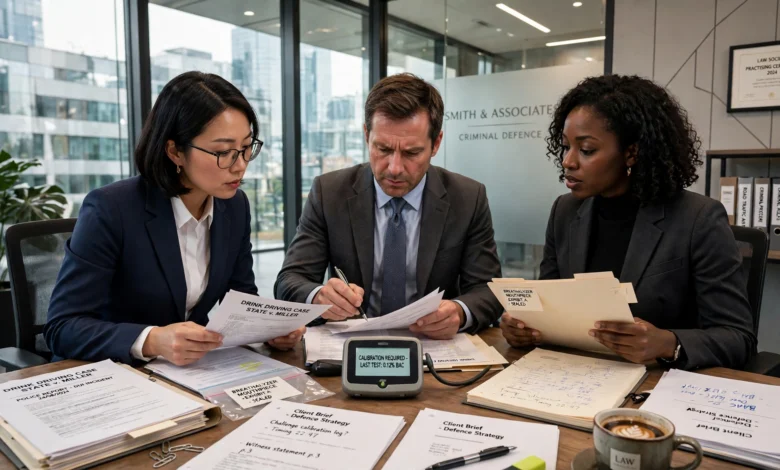
Melbourne drink driving lawyers hear the same story almost every week. Someone had a couple of drinks with dinner, felt fine, got pulled over at a booze bus on the way home, and is now holding a charge sheet or an infringement notice they don’t fully understand. If that sounds familiar, you’re not alone, and you’re not out of options.
In Victoria, the most common drink driving charge is a PCA charge, short for exceeding the prescribed concentration of alcohol. It sounds technical, but the idea is simple: police say your blood alcohol concentration (BAC) was over the legal limit while you were driving or in charge of a car. What isn’t simple is everything that follows. Licence cancellation, fines, an alcohol interlock, a behaviour change program, a zero BAC condition and possibly a criminal record can all come from one reading.
This guide walks through how Victorian PCA charges work, what the penalties look like at different BAC levels, how police gather evidence, which defences come up most often, and what actually happens at the Magistrates’ Court. It also covers when it makes sense to speak with Melbourne drink driving lawyers and how to get your licence back afterwards.
One quick note before we start: this article is general information, not legal advice. Penalties change, and every case turns on its own facts, so check the details of your situation with a qualified drink driving lawyer in Melbourne.
What Is a PCA Charge in Victoria?
A PCA charge means police allege you drove, or were in charge of, a motor vehicle while your BAC was over the legal limit. Drink driving offences sit under the Road Safety Act 1986 (Vic), mainly section 49. Most Melbourne drink driving lawyers will tell you PCA charges make up the bulk of the drink driving work they see in court.
The key point is that a PCA offence is about the number, not how you were driving. You don’t have to be swerving or speeding. If the evidentiary test shows you were over your limit, the offence is made out unless there’s a legal or procedural problem with the evidence.
The Legal BAC Limits
Your limit depends on the licence you hold:
- Full licence holders: under 0.05. A reading of 0.05 or more is an offence.
- Zero BAC drivers: learner permit holders, P-platers, drivers with a Z condition after a past offence, and some commercial drivers such as taxi, bus and heavy vehicle drivers must have a BAC of exactly zero.
- Drivers with an interlock condition: must be at zero, and the interlock device will stop the car starting if it detects alcohol.
According to Victoria Legal Aid’s drink driving guide, the prescribed amount is under 0.05 per cent unless you hold a zero BAC licence.
PCA Charges Versus Other Drink Driving Offences
PCA isn’t the only charge police can lay. Other common Victorian drink driving offences include:


- Driving under the influence (DUI): being so affected by alcohol that you can’t properly control the vehicle. This is about your condition, not just the reading.
- Exceeding the PCA within three hours of driving: police can rely on a test taken up to three hours after you stopped driving.
- Refusing a preliminary or evidentiary breath test: treated as seriously as a high-range reading, with heavy minimum penalties.
- Combined drink and drug driving: having both alcohol over the limit and an illicit drug in your system, which carries tougher penalties.
Knowing exactly which section you’ve been charged under matters. It decides the penalty range, whether an infringement is possible, and which defences are open to you.
Drink Driving Penalties in Victoria: What You Could Face
Since 30 April 2018, every driver caught over their limit in Victoria loses their licence. There is no work licence or hardship licence here, which surprises a lot of people who have heard about them in other states. The drink driving penalties in Victoria depend on your BAC, your licence type, your age and whether you’ve offended before.
Minimum Licence Disqualification Periods (First Offence)
Victoria Legal Aid sets out the minimum disqualification periods a magistrate must impose for a first offence that goes to court. In summary:
| BAC reading | Minimum disqualification (first offence, court) |
|---|---|
| Under 0.05 (zero BAC driver) | 3 months |
| 0.05 to under 0.10 | 6 months |
| 0.10 to under 0.11 | 10 months |
| 0.11 to under 0.15 | 11 to 14 months (one extra month per 0.01) |
| 0.15 to under 0.20 | 15 to 19 months |
| 0.20 to under 0.24 | 20 to 23 months |
| 0.24 or more | 24 months |
If it’s your second or later offence within 10 years, these minimums are doubled. The magistrate can also go above the minimum, and there’s no set upper limit on how long the court can disqualify you.
Infringement Notices for Lower Readings
Some first offenders with lower readings get an infringement notice instead of a summons to court. You pay a fine, your licence is cancelled for a minimum period (usually 3 or 6 months), and you don’t have to appear before a magistrate. For a fully licensed driver aged 26 or over with a reading under 0.07, the minimum cancellation is three months.
You can choose to contest an infringement in court, but think carefully first. A magistrate can impose a longer disqualification than the infringement would have, so get advice from Melbourne drink driving lawyers before you make that call.
Fines, Interlocks and Other Consequences
On top of losing your licence, a PCA conviction can bring:
- Fines: set in penalty units, which are indexed each year on 1 July. For a first court offence, the fine is usually up to 25 penalty units.
- Alcohol interlock condition: a device fitted to your car that you must blow into before it will start. For most first offenders it’s at least six months, and longer for higher readings or repeat offences.
- Zero BAC condition: at least three years of driving with no alcohol at all once you’re relicensed.
- Behaviour change program: a compulsory Drink Driver Behaviour Change Program, or the intensive version for higher readings and repeat offenders.
- Vehicle impoundment: police can impound your car for 30 days on the spot if you blow 0.10 or more on a first offence.
- Criminal record: if the court records a conviction, it can show up on police checks for up to 10 years.
- Jail: rare for a first low-range offence, but a real risk for high readings, repeat offending, or where someone was hurt.
The official Transport Victoria drink driving penalties page confirms that most disqualifications run six months or longer and that the Magistrates’ Court can keep someone off the road for years.
How Police Detect and Prove Drink Driving
Police in Victoria can stop any driver at any time for a breath test. They don’t need a reason or any suspicion. Understanding the testing process matters, because many of the arguments Melbourne drink driving lawyers raise come from how the test was done.
Step 1: The Preliminary Breath Test
This is the quick roadside test, often at a booze bus or random stop. You blow into a handheld device and it shows a pass or fail. The preliminary result alone usually isn’t what police rely on in court. It’s the trigger for the next step.
Step 2: The Evidentiary Breath Test
If you fail the preliminary test, police will require you to do an evidentiary breath test on a more accurate machine, either in the booze bus or at a police station. This is the reading that normally ends up on the charge sheet. A few things should happen here:
- The test should be done by a trained, authorised operator.
- The machine should be properly calibrated and maintained.
- You should be given a printed certificate showing the result.
- The test should happen within three hours of when you were driving.
Step 3: Blood Tests
In some cases, police use a blood sample instead, for example after a crash, if you were taken to hospital, or if you can’t give a proper breath sample for medical reasons. You may also have the right to ask for a blood sample to check the breath result. Blood analysis comes with its own rules about who takes the sample, how it’s stored and how it’s analysed.
Why the Process Matters
Every step has rules attached. If police skipped a step, used the wrong procedure or can’t prove the machine was working properly, a PCA lawyer in Melbourne may be able to challenge the evidence. It doesn’t happen in every case, but it’s worth checking before you plead guilty.
Common Defences to Victorian PCA Charges
Let’s be honest: PCA charges are hard to fight, because the law relies heavily on the breath or blood result. Most people charged end up pleading guilty. But “most” isn’t “all”, and a good drink driving defence starts with a careful look at the brief of evidence. Here are the issues that come up most often.
You Weren’t the Driver
Police have to prove you were driving or in charge of the vehicle. If you were sitting in a parked car, or someone else had actually been driving, that question can be genuinely contested.
The Three-Hour Rule Wasn’t Met
The evidentiary test generally has to be done within three hours of driving. If police can’t show when you last drove, or the test was outside that window, the charge may fall over.
Problems With the Testing Procedure
This covers things like:
- the operator wasn’t properly authorised;
- the breath analysing instrument wasn’t calibrated or maintained correctly;
- the certificate is missing details or contains errors;
- you weren’t told about your right to a blood test where that applied.
Honest and Reasonable Mistake
In limited situations, a driver may argue they honestly and reasonably believed they were under the limit. Courts read this defence narrowly, and “I felt fine” won’t be enough. It tends to be raised in unusual cases, such as a drink that was spiked without your knowledge.
Exceptional Circumstances and Special Reasons
Even where the charge itself can’t be beaten, the facts of your case can still shape the outcome. Some provisions in the Road Safety Act let a court consider particular circumstances, and a strong plea can make a real difference to fines and to whether a conviction is recorded.
The practical message is simple. Don’t assume there’s no defence, and don’t assume there is one. Let one of the experienced Melbourne drink driving lawyers read the police brief before you decide how to plead.
What Happens at the Magistrates’ Court
Most PCA matters in Melbourne are heard in the Magistrates’ Court of Victoria, at Melbourne, Ringwood, Dandenong, Frankston, Sunshine, Heidelberg, Broadmeadows, Moorabbin or another venue close to where the offence happened. Knowing what to expect takes a lot of the fear out of it.
Before the Hearing
You’ll receive a charge and summons with your court date. Before that date, it’s worth doing a few things:
- Get the police brief. It includes the summary of the facts and the test certificate.
- Speak to a lawyer. Ideally one of the Melbourne drink driving lawyers who appear in traffic courts regularly.
- Start a drink driver education course early. Many lawyers recommend completing it before court, as it shows the magistrate you’ve taken the matter seriously.
- Gather references. Character references from employers, colleagues or community members can help, especially when asking the court not to record a conviction.
On the Day
If you plead guilty, your lawyer will hand up references and documents and make a plea in mitigation. That means explaining your background, the circumstances of the offence, the impact of losing your licence and the steps you’ve taken since. The prosecutor will read the summary and mention any prior history.
The magistrate then decides the sentence. They must impose at least the minimum disqualification, but they have discretion on the fine, the length of disqualification above the minimum and, very importantly, whether to record a conviction.
Why a Conviction Matters
For many people, avoiding a recorded conviction is the most valuable result a lawyer can get. A conviction can affect jobs that require police checks, travel to some countries and certain professional registrations. A good plea won’t change the licence loss, but it can protect your record.
Why Hire Melbourne Drink Driving Lawyers?
You’re allowed to represent yourself, and some people do. But the gap between a well-prepared plea and a nervous, unprepared one can show up in the fine, the disqualification period and whether a conviction is recorded. That’s where Melbourne drink driving lawyers earn their fee.
What a Good Lawyer Actually Does
- Reviews the evidence to check whether police followed every step correctly.
- Advises on your plea, including whether to contest an infringement or the charge itself.
- Prepares your case so references, course certificates and supporting documents are ready and persuasive.
- Speaks for you in court in a way that’s focused, credible and suited to the particular magistrate.
- Pushes for a non-conviction outcome where your circumstances support it.
- Explains what comes next, including interlocks, the behaviour change program and relicensing.
How to Choose the Right Drink Driving Lawyer in Melbourne
Not every lawyer does traffic work day in, day out. When you’re comparing options, ask:
- How often do you appear in drink driving matters? Regular court experience counts for a lot.
- Do you offer fixed fees? Many traffic lawyers in Melbourne charge a fixed fee for a guilty plea, which makes costs predictable.
- Who will actually appear for me? Check whether it’s the lawyer you meet or someone else from the firm.
- What outcome is realistic? A trustworthy lawyer gives you an honest range, not a guarantee.
- Can you help with relicensing afterwards? The process doesn’t end at court.
If money is tight, Victoria Legal Aid and community legal centres may be able to help, and duty lawyers are available at many courts. Just bear in mind that duty lawyers have limited time with each client.
Getting Your Licence Back After a PCA Offence
Your licence doesn’t come back automatically when the disqualification ends. You have to apply for a new one, and there are a few hoops to jump through first.
The Relicensing Steps
- Finish your disqualification period. Driving while disqualified is a separate, serious offence.
- Complete the right behaviour change program. VicRoads will tell you whether you need the standard Drink Driver Behaviour Change Program or the intensive version.
- Get a Licence Eligibility Order if required. Some drivers, including those with higher readings or repeat offences, must apply to the Magistrates’ Court for this order before VicRoads will relicense them.
- Have an alcohol interlock fitted. You’ll need an approved provider to install it in any car you plan to drive.
- Apply to VicRoads. Once everything is in place, you can apply for your new licence.
Conditions on Your New Licence
Your new licence will usually carry a Z condition, meaning zero BAC, for at least three years. Many drivers will also have an I condition for the interlock. Getting the interlock condition removed later requires VicRoads to review your interlock data, so any failed or skipped tests during that period can count against you.
This stage catches a lot of people out. A quick check-in with your lawyer before you apply can save weeks of delay.
Conclusion
A PCA charge in Victoria can feel overwhelming, but it becomes far more manageable once you understand how it works: police only need to prove your BAC was over your limit within three hours of driving, every offender loses their licence, and the real variables are the length of disqualification, the fine, the interlock period and whether a conviction ends up on your record. Testing procedures, the three-hour rule and who was actually driving can all be worth examining, and a well-prepared plea with references and a completed education course can noticeably improve the result.
Getting your licence back takes its own planning, from the behaviour change program to the interlock and the Z condition, so the smartest move is to get advice early from experienced Melbourne drink driving lawyers who handle these cases every week and can guide you from the charge sheet all the way back to the driver’s seat.