Houston Oilfield Injury Claims: Texas Energy Worker Rights
Injured on a Texas rig or refinery? Learn how Houston oilfield injury claims work and what rights protect energy workers after an accident.
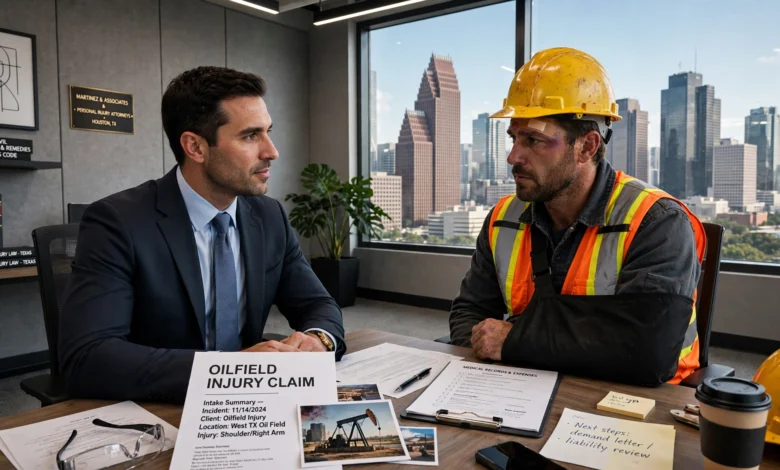
Houston oilfield injury claims start with one basic fact: Texas does not require oil and gas companies to carry workers’ compensation insurance. That single quirk in state law shapes almost everything that happens after a worker gets hurt on a rig, at a refinery, or on a pipeline crew. If you work in the energy sector around Houston, understanding how these claims work isn’t optional reading, it’s information that can determine whether you and your family are financially protected after a serious accident.
The oil and gas industry has always carried real physical risk. Workers deal with heavy machinery, high-pressure equipment, flammable materials, and long shifts in extreme heat. When something goes wrong, whether it’s an equipment failure, a chemical exposure, or a fall from height, the injuries tend to be severe. Broken bones, burns, amputations, and spinal injuries are common outcomes, and they often come with months of lost income and a mountain of medical bills.
What makes Texas different is the choice employers have between traditional workers’ compensation and going without it, known as being a “non-subscriber.” That decision affects what an injured worker can and can’t do legally. This article walks through how oilfield injury claims work in Houston, what rights energy workers actually have, and the steps that matter most after an accident.
Why Houston Oilfield Injury Claims Work Differently Than Other States
Most states require employers to carry workers’ compensation insurance. Texas doesn’t. Under the Texas Labor Code, private employers, including oil and gas companies, can choose whether or not to subscribe to the state’s workers’ compensation system. This creates what’s often called a two-track system for Texas energy worker rights, and which track applies to you changes your entire legal path.
Subscriber Employers
If your employer carries workers’ compensation coverage, you’re generally entitled to benefits for medical treatment and a portion of your lost wages regardless of who caused the accident. In exchange, you typically give up the right to sue your employer directly, except in cases involving gross negligence or intentional harm.
Non-Subscriber Employers
A large share of Texas oil and gas companies choose to skip workers’ compensation altogether. This might sound like bad news for injured workers, but it actually opens a door that workers’ comp closes. When an employer opts out, Texas law strips away several legal defenses the company would otherwise be able to use in court, including:
- Contributory negligence — the old rule that any fault on the worker’s part could block recovery entirely
- Assumption of the risk — the argument that a worker knowingly accepted the danger of the job
- Fellow servant rule — blaming the injury on a coworker’s mistake instead of the company
Without these defenses, a non-subscriber employer can be sued directly for negligence, and a successful oilfield injury claim can recover far more than capped workers’ comp benefits ever would, including full lost wages, future earning capacity, and pain and suffering.
What Counts as an Oilfield Injury in Houston
For legal purposes, oilfield accidents in the Houston area cover a wide range of operations connected to the energy industry. This generally includes incidents during:
- Drilling and well-servicing operations
- Completion and workover work
- Refinery and petrochemical plant operations
- Pipeline construction and maintenance
- Transportation of equipment and materials to and from a job site
Common causes behind these accidents include equipment malfunctions, defective tools, inadequate training, poor supervision, failure to follow safety protocols, and exposure to toxic chemicals or gases. Explosions and fires are also a persistent risk in refinery and processing environments, and they tend to produce some of the most catastrophic injuries in the industry.


The Core Rights Every Texas Energy Worker Should Know
1. The Right to a Reasonably Safe Workplace
Regardless of subscriber status, Texas employers have a legal duty to provide a reasonably safe working environment. This includes proper training, functioning equipment, adequate staffing, and enforcement of safety protocols. When a company cuts corners on any of these, and a worker gets hurt as a result, that failure can form the basis of a negligence claim.
2. The Right to Pursue a Non-Subscriber Claim
As covered above, workers employed by non-subscriber companies keep the right to sue for damages that workers’ comp would never cover. Building a strong claim usually means gathering evidence of what went wrong, things like maintenance records, training logs, incident reports, and witness statements. An experienced oilfield injury lawyer typically works with safety experts to reconstruct exactly how the accident happened and where the employer fell short.
3. The Right to File Third-Party Claims
Oil and gas worksites rarely involve just one company. A drilling site might have the operator, several subcontractors, an equipment rental company, and a manufacturer, all working in the same space. When someone other than your direct employer contributes to your injury, whether through defective equipment, negligent subcontracting, or unsafe site conditions, you may be able to file a third-party injury claim separate from any claim against your employer. These claims are often significant because they aren’t limited the way an employer-based claim might be.
4. The Right to Gross Negligence Claims Even Under Workers’ Comp
Even if your employer does carry workers’ compensation, that protection isn’t absolute. Texas law still allows injured workers to pursue claims against an employer for gross negligence, meaning conduct that goes beyond ordinary carelessness and shows a conscious disregard for worker safety. These cases require a higher standard of proof, but they remain an important option for workers whose injuries stemmed from truly reckless decisions.
5. The Right to Offshore and Maritime Protections
Workers on offshore platforms or vessels in the Gulf may fall under federal maritime law instead of, or in addition to, standard Texas rules. Depending on the job and location, an injured worker may have rights under the Jones Act, the Longshore and Harbor Workers’ Compensation Act, or the Outer Continental Shelf Lands Act. These federal frameworks provide their own remedies and can significantly change how a claim is built and valued, so it’s worth having a lawyer confirm which laws actually apply to your situation.
6. The Right to Fair Compensation for the Full Impact of an Injury
A serious oilfield injury doesn’t just cost medical bills. It can mean months without a paycheck, a reduced ability to do physically demanding work in the future, and a long recovery that affects daily life. Depending on the type of claim, injured workers may be entitled to recover:
- Past and future medical expenses, including surgery and rehabilitation
- Lost wages during recovery
- Diminished future earning capacity
- Pain and suffering
- Punitive damages in cases involving gross negligence
- Death benefits for surviving family members in fatal accident cases
7. The Right to Legal Representation Without Upfront Cost
Most Houston oilfield injury lawyers work on a contingency fee basis, meaning you don’t pay legal fees unless the case results in a settlement or verdict. This matters a great deal for injured workers who are already dealing with lost income and mounting bills. It also means there’s little downside to at least consulting a lawyer early, since the initial case review is typically free.
Comparative Fault and Deadlines: What Can Limit Your Claim
Texas follows a modified comparative negligence rule. Under this system, an injured worker can still recover damages even if partly at fault for the accident, as long as their share of responsibility is 50 percent or less. If a worker is found more than 50 percent responsible, recovery is barred entirely. This makes it critical to have a clear, well-documented account of how the accident happened, since the assigned percentage of fault directly affects the final compensation.
Time limits matter just as much. Texas generally gives injured workers two years from the date of the accident to file a personal injury lawsuit under the state’s statute of limitations. That deadline can arrive faster than it seems, especially while someone is focused on recovery and treatment. Missing it typically means losing the right to sue altogether, regardless of how strong the underlying claim might be.
Steps to Take After an Oilfield Accident
If you’re injured on the job in the Houston energy sector, what you do in the first days and weeks can shape the outcome of your claim.
- Get medical treatment immediately. Your health comes first, and prompt treatment also creates a medical record connecting the injury to the accident.
- Report the incident to your employer in writing, and keep a copy for your own records.
- Document the scene if you’re able to, including photos of equipment, conditions, and any visible hazards.
- Identify witnesses and get their contact information before people scatter or move to new job sites.
- Avoid giving recorded statements to an insurance adjuster or company representative without speaking to a lawyer first.
- Keep records of lost income, medical bills, and any correspondence related to the accident.
- Consult an attorney early to determine whether your employer is a subscriber or non-subscriber, and what claims might be available.
Why Employer Status Should Be Confirmed Early
One of the first things a lawyer will typically check is whether your employer subscribes to workers’ compensation. The Texas Department of Insurance maintains information on subscriber status, and confirming this early helps determine the right legal strategy from the start. According to the Texas Department of Insurance, employers who choose not to carry coverage must notify employees and the state of that decision, and workers should be told whether their employer subscribes as part of standard hiring paperwork.
It’s also worth understanding federal workplace safety expectations that apply regardless of a company’s insurance status. The Occupational Safety and Health Administration publishes safety standards specific to oil and gas drilling operations, covering everything from well control to fall protection, and these standards often become relevant evidence in negligence claims when a company failed to follow them.
Common Challenges in Oilfield Injury Cases
Oilfield injury claims tend to be more complicated than typical workplace accident cases, for a few reasons.
- Multiple parties are often involved. Operators, contractors, and equipment suppliers may each bear some responsibility, and sorting out who did what takes investigation.
- Evidence can disappear quickly. Equipment gets repaired or replaced, and job sites change fast, which is part of why early legal involvement matters.
- Companies have experienced defense teams. Energy companies and their insurers typically move fast to protect themselves after an accident, sometimes before an injured worker has even left the hospital.
- Injuries are often catastrophic. Burns, amputations, and spinal cord injuries require specialized medical and legal expertise to properly value a claim.
Final Thoughts
Houston oilfield injury claims sit at the intersection of Texas’s unique workers’ compensation system, federal maritime law, and the everyday hazards of one of the most physically demanding industries in the country. Whether your employer subscribes to workers’ compensation or not, and whether other companies contributed to your accident, you have real legal options for recovering compensation after a serious injury.
The keys are acting quickly, documenting everything, and getting clear answers about your employer’s coverage status and the deadlines that apply to your case. Understanding your rights as a Texas energy worker isn’t just useful after an accident, it’s something worth knowing before you ever need it.