Sydney Disability Lawyers: Understanding TPD Insurance Claims
Sydney disability lawyers explain how TPD insurance claims work, what evidence you need, and how to handle a denied claim.
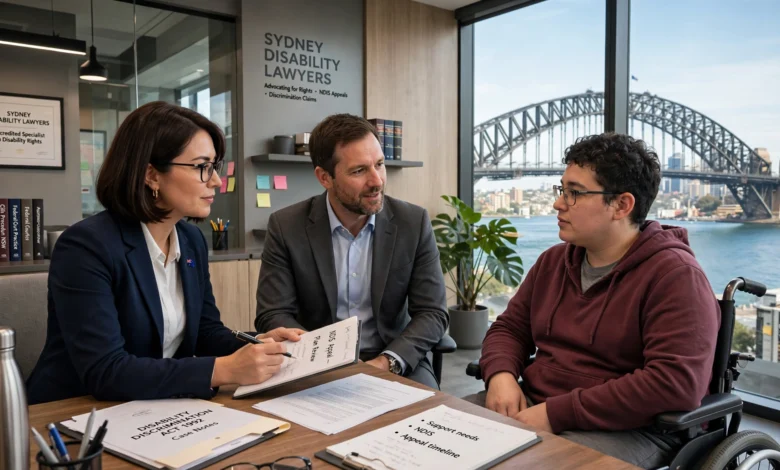
If an injury or illness has stopped you from working, you may already be dealing with enough stress without having to fight your own super fund for money that’s rightfully yours. This is where Sydney disability lawyers come in. They handle TPD insurance claims every day and know exactly what insurers look for before they approve or deny a payout.
Total and Permanent Disability cover sits inside most Australians’ superannuation accounts, often without the person even realising it’s there. It’s meant to provide a financial cushion when you can no longer work in your usual job, or in some cases, any job at all. The problem is that insurers apply strict definitions, request extensive medical evidence, and reject a surprising number of claims on technical grounds.
This article walks through how TPD claims actually work in New South Wales, what a Sydney-based disability lawyer does to strengthen your case, the common reasons claims get knocked back, and what your options are if you’ve already received a denial. Whether you’re just starting to look into your entitlements or you’re preparing to challenge a decision, understanding the process gives you a real advantage before you even pick up the phone to a claims lawyer.
What Is TPD Insurance and Why It Matters
Total and Permanent Disability (TPD) insurance is a type of cover, usually bundled into your superannuation fund, that pays a lump sum if an injury or illness leaves you unable to work. Most working Australians over 25 automatically hold some level of TPD cover through their super, even if they’ve never applied for it directly or read the fine print.
The payout exists to replace lost income, cover medical costs, pay down debt, or simply give you breathing room while you adjust to a changed life. Depending on your policy, a successful TPD claim can range from a modest sum into the hundreds of thousands of dollars, though the exact figure depends entirely on your level of cover and the terms set by your fund’s insurer.
According to the Australian government’s <cite index=”4-1″>TPD insurance pays a lump sum if you become totally and permanently disabled because of illness or injury, with each insurer applying a different definition of what it means to be totally and permanently disabled</cite>, as explained by Moneysmart. That last part is worth repeating: the definition changes from policy to policy, which is exactly why so many claims get contested.
Common Definitions Used by Insurers
Understanding the definition your policy uses is one of the first things a disability lawyer in Sydney will check, because it shapes the entire strategy of your claim.
Own Occupation
This is the more generous definition. It asks whether you can still perform the specific job you were doing before your injury or illness. If you can’t return to that exact role, even if you could technically do a different, lower-paid job, you may still qualify.
Any Occupation
This is the more common definition found in default super fund policies. It asks whether you’re capable of working in any job reasonably suited to your education, training, or experience, not just your previous role. This is a much harder bar to clear, and it’s where most disputes arise.


Activities of Daily Living
This definition doesn’t look at your job at all. Instead, it examines whether you can independently perform basic daily tasks such as bathing, dressing, or moving around. It’s typically used for people who aren’t in the workforce, such as stay-at-home parents or those who were unemployed before becoming disabled.
How the TPD Claims Process Works
A typical TPD insurance claim moves through several stages, and delays at any point can stretch the process out for months.
- Confirm your cover. Check your super fund statements or contact the fund directly to find out if you hold TPD insurance and what your level of cover is.
- Gather medical evidence. You’ll need reports from treating doctors, specialists, and sometimes independent medical examiners arranged by the insurer.
- Complete the claim forms. Both you and your treating doctor typically need to fill out detailed forms describing your condition, work history, and functional limitations.
- Submit to the super fund. The fund passes your claim to its insurer for assessment.
- Insurer assessment. The insurer reviews medical evidence, may request further reports, and sometimes arranges surveillance or independent examinations.
- Trustee decision. The fund’s trustee makes the final call based on the insurer’s recommendation and the policy wording.
- Payment or denial. If approved, funds are released to your super account. If denied, you have the right to challenge the decision.
Each of these steps can be slowed by missing paperwork, vague medical reports, or insurers requesting additional information. A TPD claims lawyer manages this process on your behalf, chasing documents, liaising with your doctors, and making sure nothing falls through the cracks.
Why People in Sydney Turn to a Disability Lawyer
You’re not legally required to hire a lawyer to lodge a TPD claim. Plenty of people submit claims on their own and get approved. But the reality is that insurers are businesses, and their assessors are trained to look for reasons to limit or deny payouts. Sydney disability lawyers exist to level that playing field.
Here’s what a good lawyer typically brings to your case:
- Policy interpretation. They read through your fund’s Product Disclosure Statement and identify exactly which definition of disability applies to you, and which arguments will carry the most weight.
- Medical evidence coordination. Rather than leaving you to chase specialists for reports, a lawyer knows what kind of language and detail an insurer needs to see, and works with your treating team to get it.
- Deadline management. Claims and appeals often carry strict time limits. Missing one can mean losing your right to challenge a decision entirely.
- Negotiation with insurers. If a claim is disputed, a lawyer can push back on the insurer’s reasoning with legal and medical arguments rather than leaving you to negotiate alone while unwell.
- No-cost initial advice. Most firms that specialise in TPD claims offer a free first consultation and work on a no-win, no-fee basis, so you’re not paying legal fees out of pocket while you’re already under financial strain.
Common Reasons TPD Claims Get Denied
It helps to know what insurers look for so you can avoid the most common pitfalls before you even submit your paperwork.
- Insufficient medical evidence. Vague or inconsistent reports from doctors are one of the biggest reasons claims stall or get rejected outright.
- Failure to meet the policy definition. If your evidence shows you could work in some capacity, even part-time or in a different field, an “any occupation” claim may be denied.
- Pre-existing condition exclusions. Some policies exclude conditions that existed before you joined the fund or took out the cover.
- Missed deadlines. Late submission of forms or evidence can result in automatic rejection.
- Inconsistent claim history. Gaps between what you told your doctor, what you told Centrelink, and what you wrote on the claim form can be used against you.
- Surveillance findings. Insurers sometimes use social media activity or private investigators to argue your physical capacity contradicts your claim.
If your claim has already been denied, this isn’t necessarily the end of the road. You can request an internal review from the trustee, provide additional medical evidence, or escalate the matter externally.
What to Do If Your TPD Claim Is Denied
A denial letter can feel final, but it usually isn’t. There are several avenues available depending on how far along your claim is and how the fund is structured.
- Request the reasons in writing. Insurers are required to explain why a claim was declined. This gives you and your lawyer something concrete to respond to.
- Gather further medical evidence. Sometimes a denial comes down to a single gap in the paperwork, such as a specialist report that wasn’t detailed enough.
- Lodge an internal dispute. Most super funds have an internal complaints process that must be attempted before you can escalate further.
- Escalate to the Australian Financial Complaints Authority (AFCA). If the internal review doesn’t resolve things, AFCA provides a free, independent dispute resolution service for financial and insurance complaints, including TPD claims.
- Consider court action. In more complex or high-value disputes, legal proceedings may be the appropriate next step, though this is usually a last resort after other avenues are exhausted.
According to one Sydney-based legal firm, <cite index=”6-1″>if a TPD claim is declined or benefits are stopped, claimants may have rights to seek internal review, provide further evidence, or challenge the decision, and it can sometimes be appropriate to escalate the dispute to the Australian Financial Complaints Authority or pursue court action, with strict timeframes often applying</cite>.
How Much Does a TPD Claim Pay Out?
There’s no fixed figure for a TPD payout, because it depends on your level of cover, your age, your fund, and the terms of the specific policy. Payouts can range from relatively small amounts up into seven figures for people with higher levels of voluntary cover. Most successful claims through default super fund policies land somewhere in the tens to low hundreds of thousands of dollars, though every case is different.
Once a payout is approved, you generally have a few options for how to access it:
- Withdraw the full lump sum, subject to preservation rules and possible tax implications
- Withdraw a portion and leave the rest in your super account
- Leave the entire amount in super to grow until retirement
A lawyer or financial adviser can help you understand the tax treatment of your payout, since this varies depending on your age and how the funds are accessed.
Choosing the Right Sydney Disability Lawyer
Not all law firms handle TPD and disability claims in the same way, so it’s worth being selective. A few things to look for:
- Specialisation in superannuation and insurance law, rather than a general practice that occasionally takes on TPD matters
- A track record with your specific type of condition, whether that’s a physical injury, chronic illness, or mental health condition
- Clear fee structures, ideally no-win, no-fee arrangements so there’s no financial risk in getting advice
- Direct communication, since TPD claims often stretch over many months and you’ll want a lawyer who keeps you updated rather than going quiet for weeks at a time
A short phone consultation is usually enough to get a sense of whether a firm understands your situation and can explain your options in plain language rather than legal jargon.
Final Thoughts
Dealing with an injury or illness that stops you from working is hard enough without also navigating a complex insurance system designed with its own interests in mind. TPD insurance claims hinge on policy wording, medical evidence, and strict procedural steps, and even a small gap in your paperwork can lead to delays or denial.
Working with experienced Sydney disability lawyers gives you someone who understands how insurers assess claims, what evidence carries weight, and how to challenge a decision if it doesn’t go your way. Whether you’re just starting to explore your super fund’s TPD cover or you’re already facing a denied claim, getting the right advice early can make a real difference to the outcome and the timeline of your case.